


NEWS
Going public is a milestone, even more a new starting.
Jun. 15, 2026
Share:
Choosing the right refractory materials for secondary steelmaking is crucial. The quality of these materials directly affects the efficiency of the steelmaking process. Many steel manufacturers struggle with issues like frequent wear and tear, which can lead to increased costs and lower production rates. Understanding the role of refractory materials can help mitigate these problems. High-performance refractories not only enhance product quality but also extend the life of equipment. This article will explore the best options available in the market for steel ladle refractories.
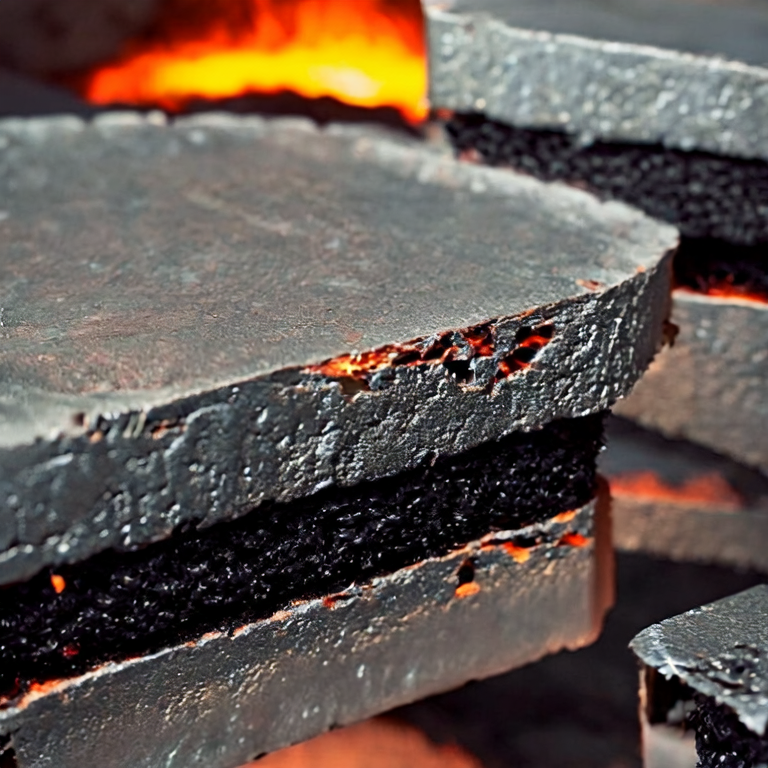
The best refractory materials for secondary steelmaking include alumina, silica, and magnesite. These materials improve operational efficiency and durability.
Alumina is known for its high melting point and excellent thermal stability. It can withstand extreme temperatures, making it ideal for at ladle applications in steelmaking.
Silica refractories perform well in environments with high thermal shock resistance. They are often used for linings in steel ladles due to their cost-effectiveness.
Magnesite-based refractories are highly resistant to basic slag. This property makes them suitable for secondary steelmaking where contact with various types of slag is common.
High thermal conductivity ensures that heat is retained within the ladle. This characteristic leads to better melting and casting quality.
Refractories should be erosion-resistant to minimize wear during steel production. Materials with high erosion resistance will last longer and reduce downtime.
While quality is essential, costs also play a significant role in the selection of refractories. Selecting durable yet affordable materials can lead to significant savings over time.
Quality refractories enhance the overall production efficiency by ensuring optimal thermal performance. This leads to a more streamlined steel-making process.
By using advanced refractory materials, the lifespan of ladles can be significantly improved. Durable materials resist wear and reduce the frequency of repairs.
Using the right refractories helps maintain the quality of steel. It ensures fewer impurities, leading to higher-grade steel products.
| Ladle Area / Condition | Typical Refractory Choice | Main Requirement |
|---|---|---|
| Slag line | MgO-C brick | Basic slag corrosion resistance |
| Metal line / sidewall | AMC or alumina-spinel refractory | Erosion and thermal shock resistance |
| Ladle bottom | AMC or high-strength spinel/corundum system | Mechanical strength and erosion resistance |
| Impact zone | High-strength AMC or castable | Impact and thermal-mechanical resistance |
| Argon stirring area | High-performance porous/purging plug refractory | Gas permeability and erosion resistance |
| Flow-control area | Specialized nozzle, well block and slide gate refractories | Thermal shock, erosion and flow stability |
This type of zoned refractory lining design normally provides better performance than selecting one refractory material for the entire ladle.
In conclusion, selecting the best refractory materials for secondary steelmaking is vital for success in the industry. Alumina, silica, and magnesite are the top options to consider. These materials provide both durability and efficiency, essential for maintaining high-quality steel production. Understanding the factors that contribute to effective refractory performance will help manufacturers make informed choices and achieve better results.
GUOLIANG supplies refractory products for different areas of steel ladle refining systems, including:
● Magnesia Carbon Brick
● Ladle Castable
● Porous Plug
● Purging Plug
● Ladle Well Block
● Sliding Gate Plate
● Inner & Collector Nozzle
● Ladle Filler Sand
Rather than selecting refractory materials based only on a standard grade, the refractory system should be matched to the steel plant's ladle size, slag composition, steel grade, refining process and operating conditions.
For secondary steelmaking projects, provide your ladle capacity, steel grade, refining process, slag conditions and current refractory wear problem to determine a more suitable refractory lining solution.
The key properties include thermal conductivity, resistance to erosion, and cost-effectiveness.
Refractory materials play a critical role in optimizing temperature control, minimizing wear, and maintaining product quality during steel production.
The lifespan can vary, but high-quality refractories typically last between 4 to 10 weeks depending on usage and conditions.
Yes, used refractory materials can often be recycled, depending on their condition and type.
Alumina's high melting point and thermal stability make it suitable for extreme conditions in steel production.
Magnesite is essential for its ability to resist basic slag and protect linings within ladles used in secondary steelmaking.
READY TO START A PROJECT?
If you are interested in any of our products or would like to make your customized order, please feel free to contact us.
Featured Articles
RELATED PRODUCTS
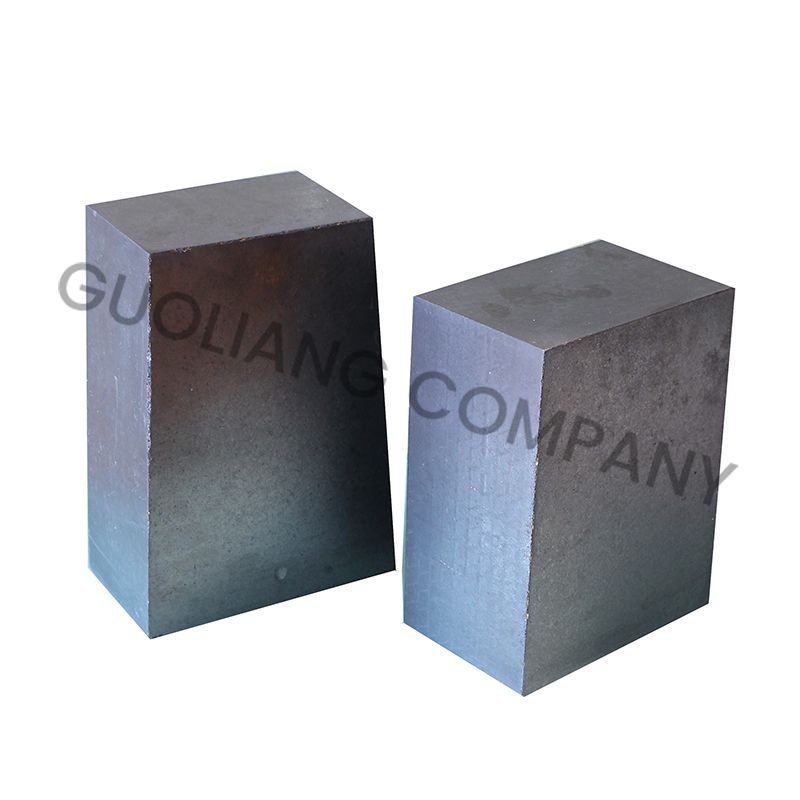
Magnesia carbon brick is produced by high pressure molding process, using high purity, high density fused magnesia or large crystal magnesia and high purity graphite as raw materials.
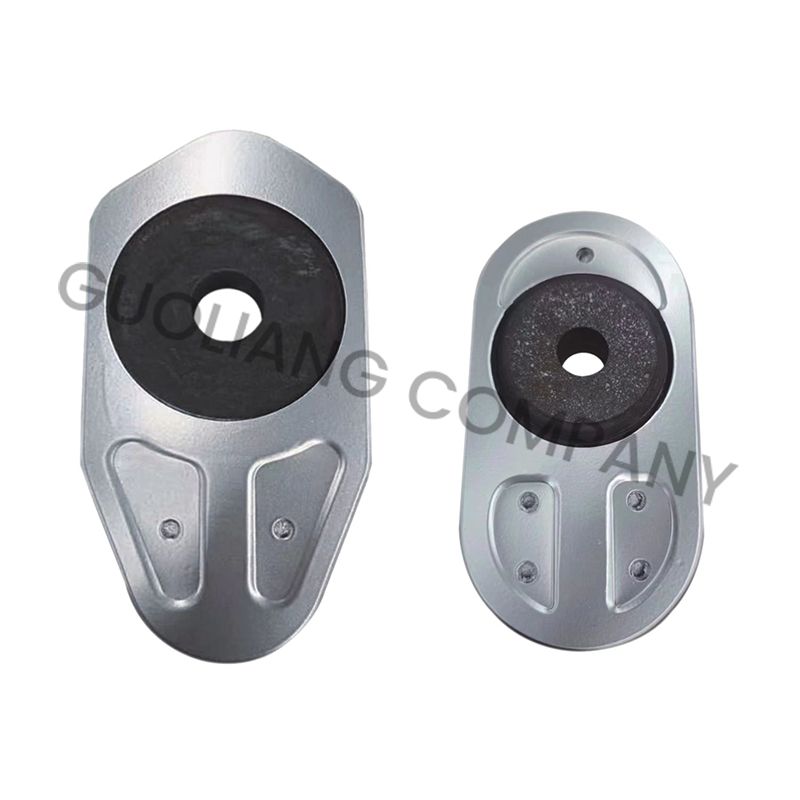
The ladle slide gate plate is mainly used for ladle flow control in steel-making plants.It is an important functional component for safe operation of ladles.
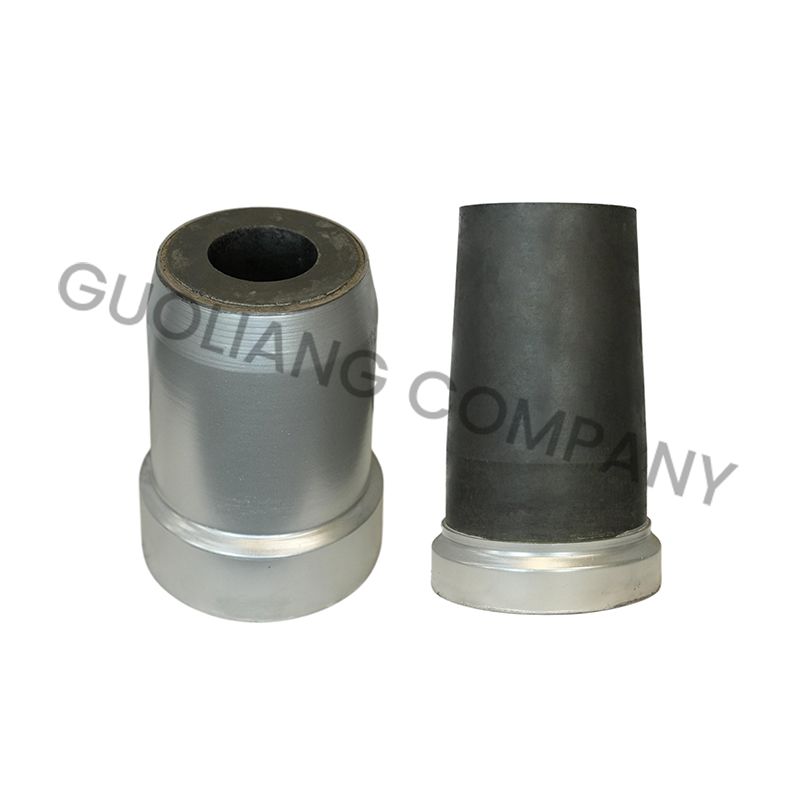
Nozzle brick is made by unburned production process by using high-purity alumina and carbon as raw materials, adding phenolic resin as binder.
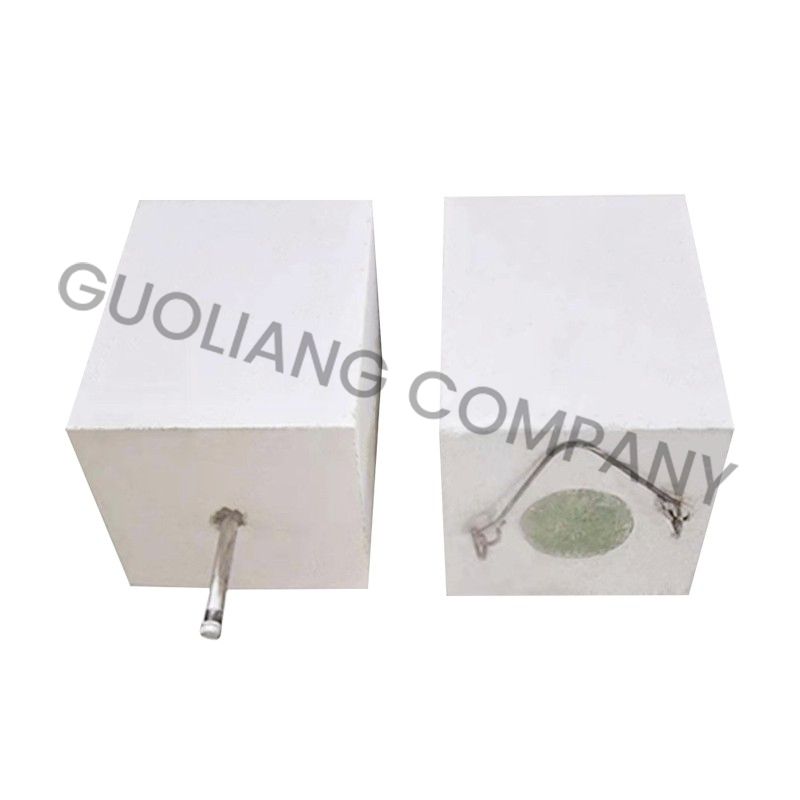
The argon gas is blown into the steel ladle through the porous plug, and the molten steel is strongly stirred. The main function and purpose are: uniform molten steel composition and temperature, and promote the collision floating of inclusions.
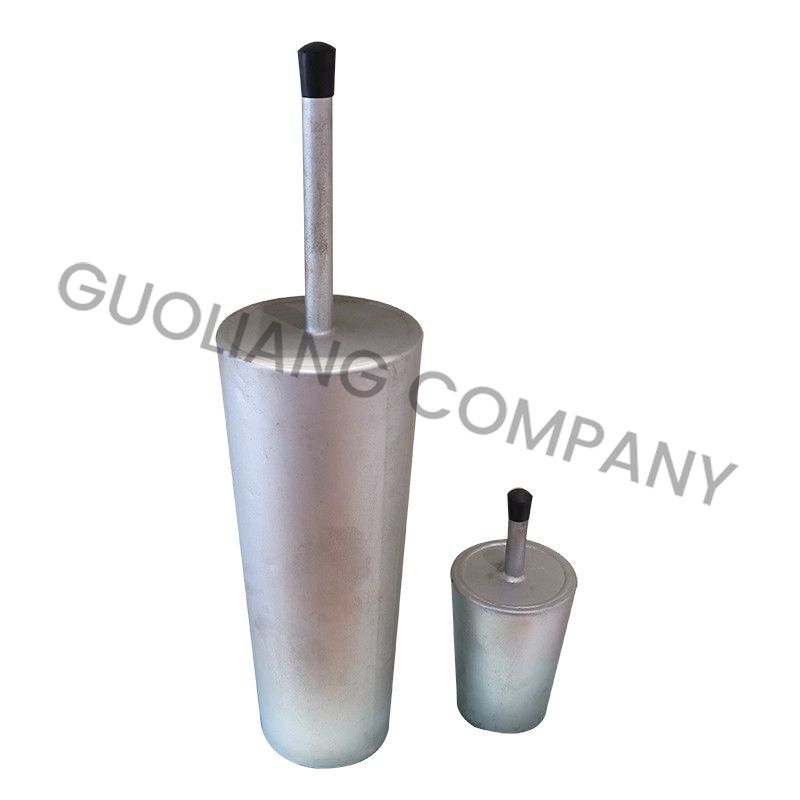
During use of purging plug, argon gas is blown into the ladle through the purging plug, and the molten steel is strongly stirred. The main function and purpose are: uniform molten steel composition and temperature, and promote the collision floating of inclusions.
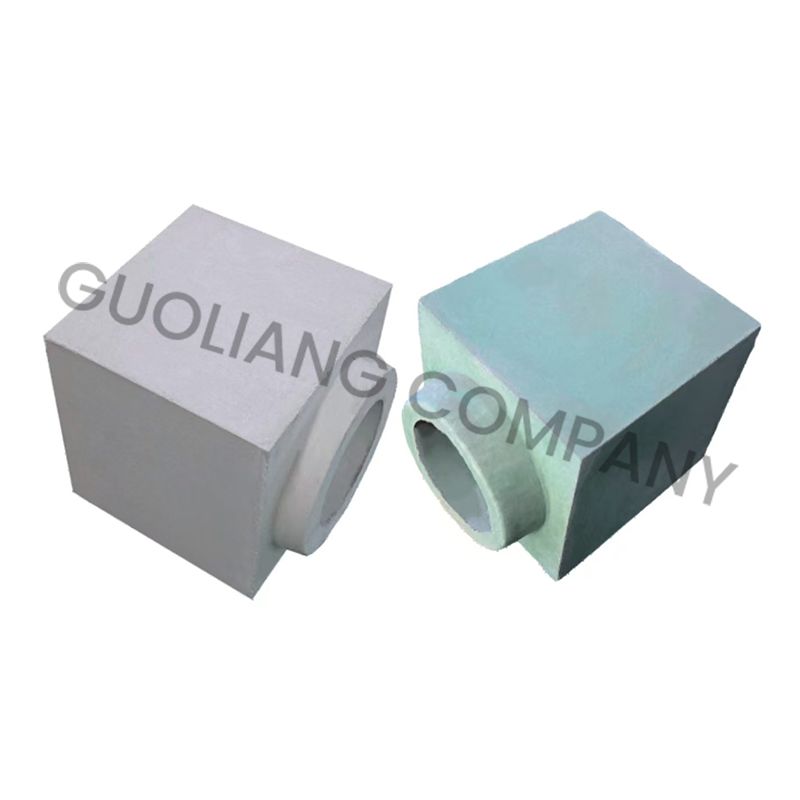
It has the advantages of structural stability, erosion resistance, good thermal shock stability and long service life.
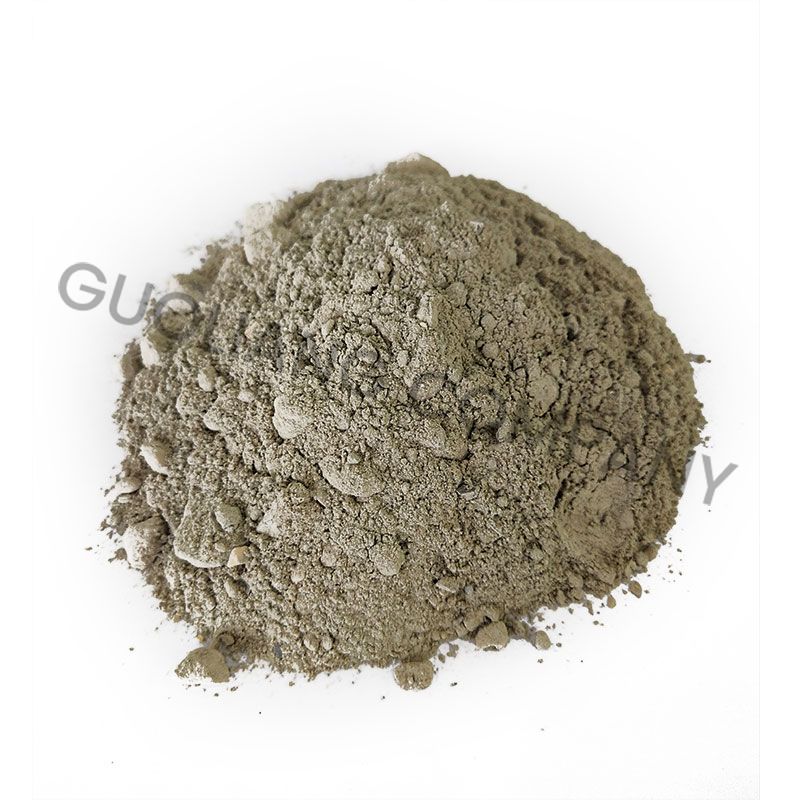
Ladle castable is made of high quality bauxite clinker, corundum, magnesia, magnesia alumina spinel and superfine powder, prepared with different binders and admixtures.
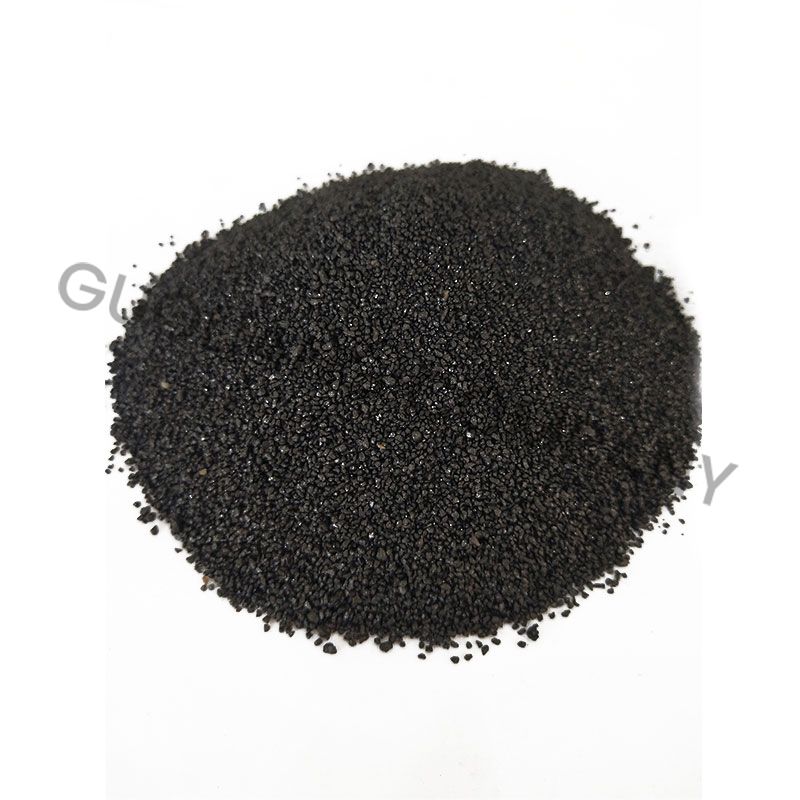
The ladle filler sand is filled with bulk material at the bottom of the ladle. The main varieties are siliceous, magnesia, chromium and forsterite based.
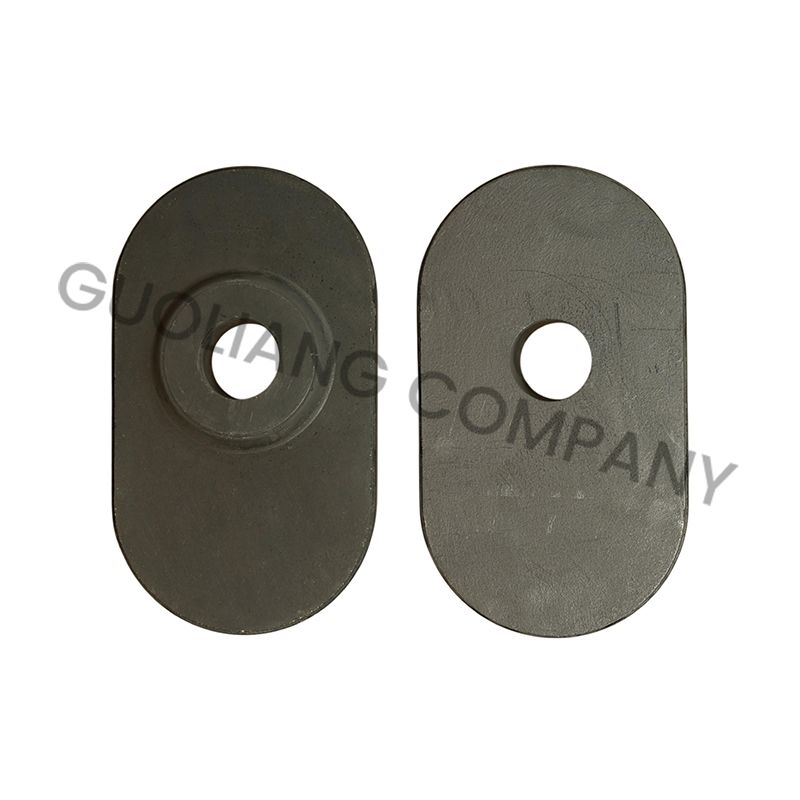
The ladle slide gate plate is mainly used for ladle flow control in steel-making plants. It is an important functional component for safe operation of ladles. The sliding gate nozzle of the ladle is used to control the steel flow and the height of the liquid level of tundish. The sliding gate nozzle consists of inner nozzle, upper sliding gate plate, collect nozzle and lower sliding gate plate.
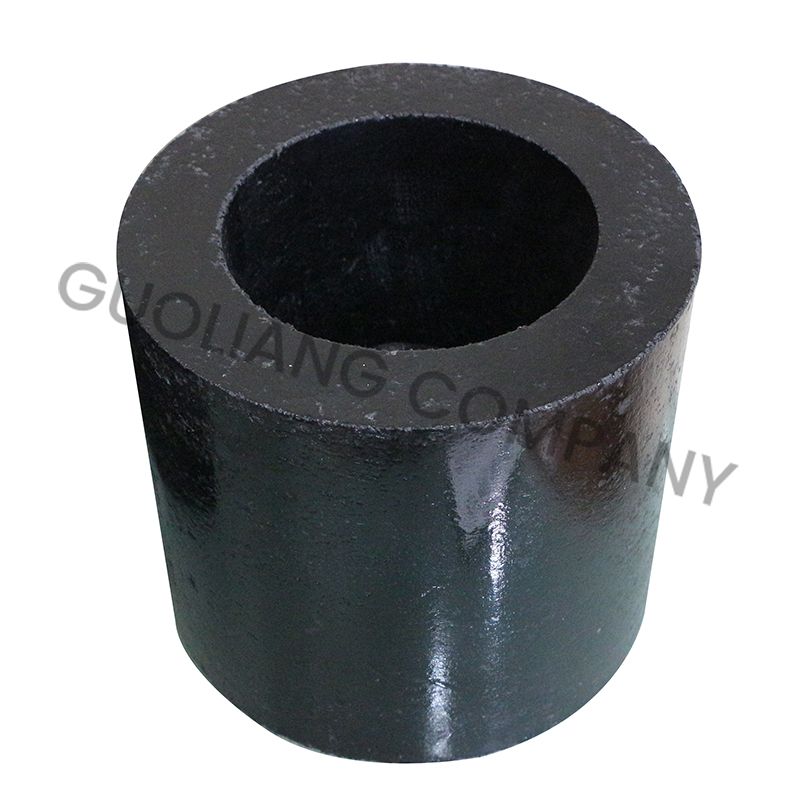
The tundish well block is a key connecting and supporting component between the tundish and nozzle.Its main function is to fix and protect the inner nozzle of the tundish.
If you are interested in any of our products or would like to make your customized order, please feel free to contact us. We are looking forward to establish successful business relations with you.
Get A Free Quote


