01 02 03

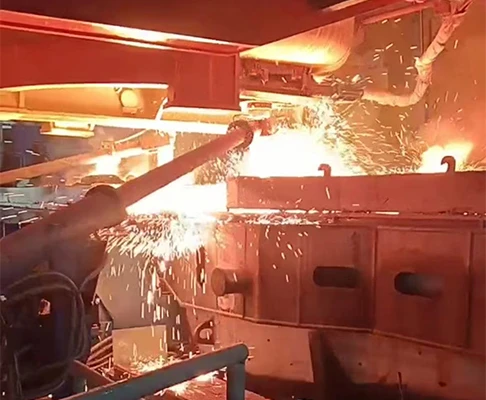
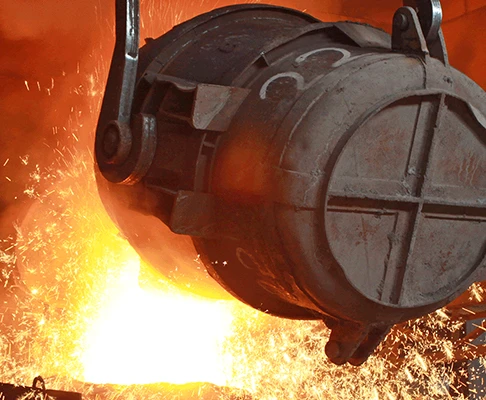
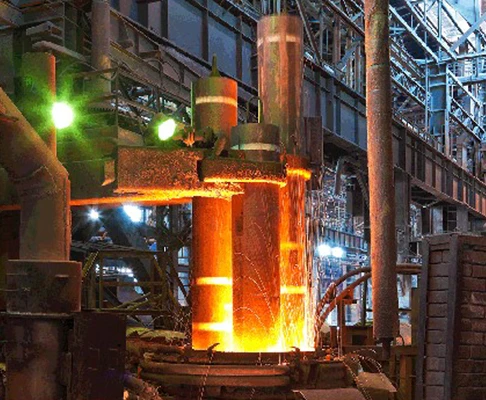
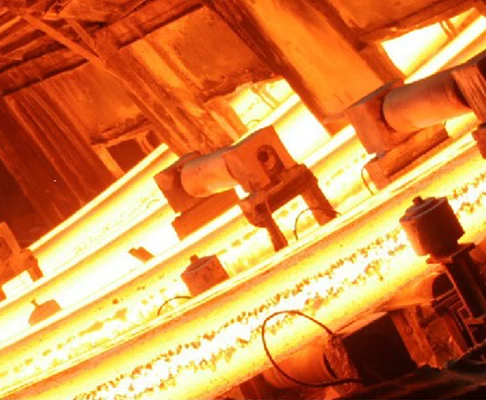
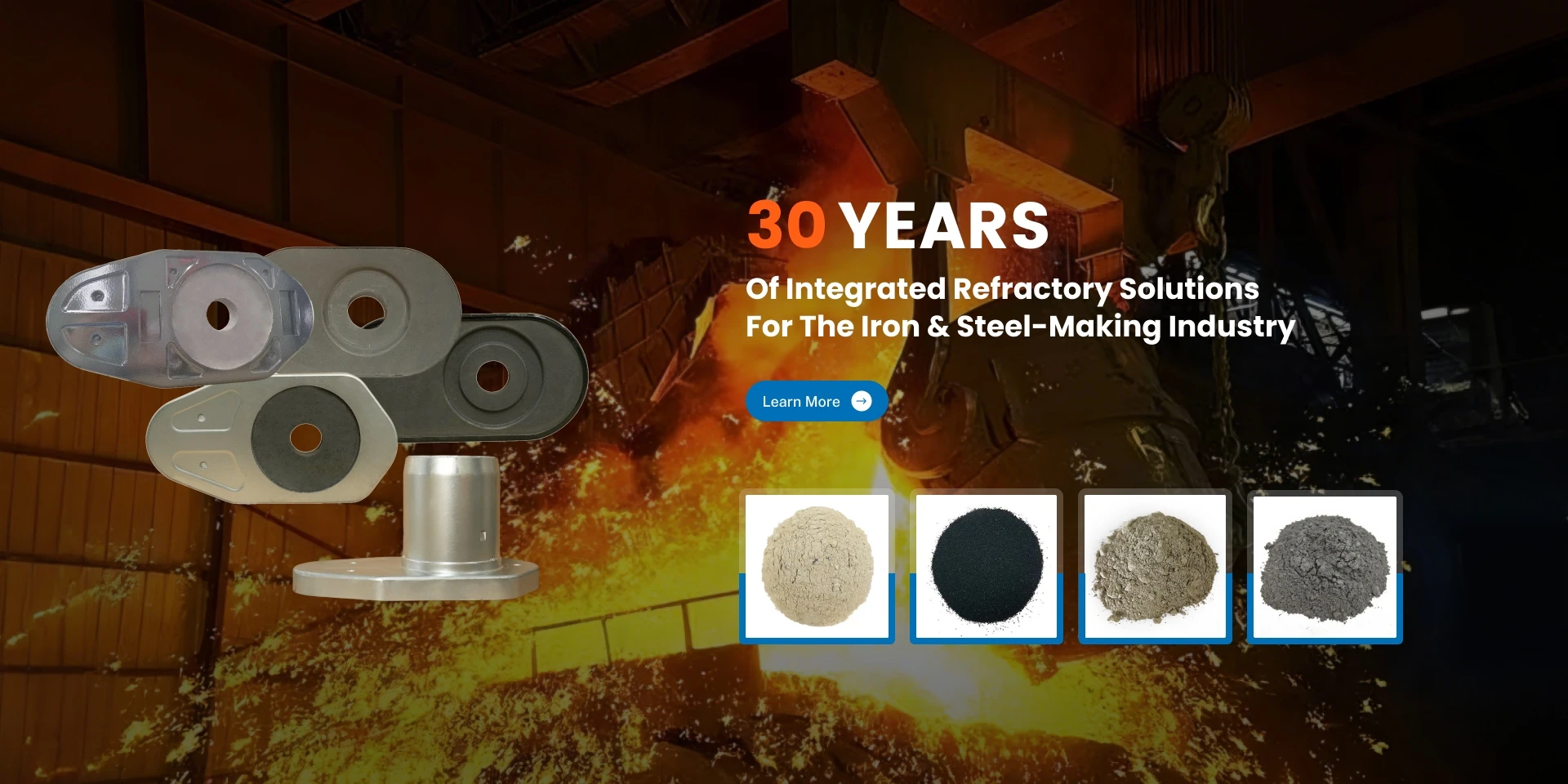
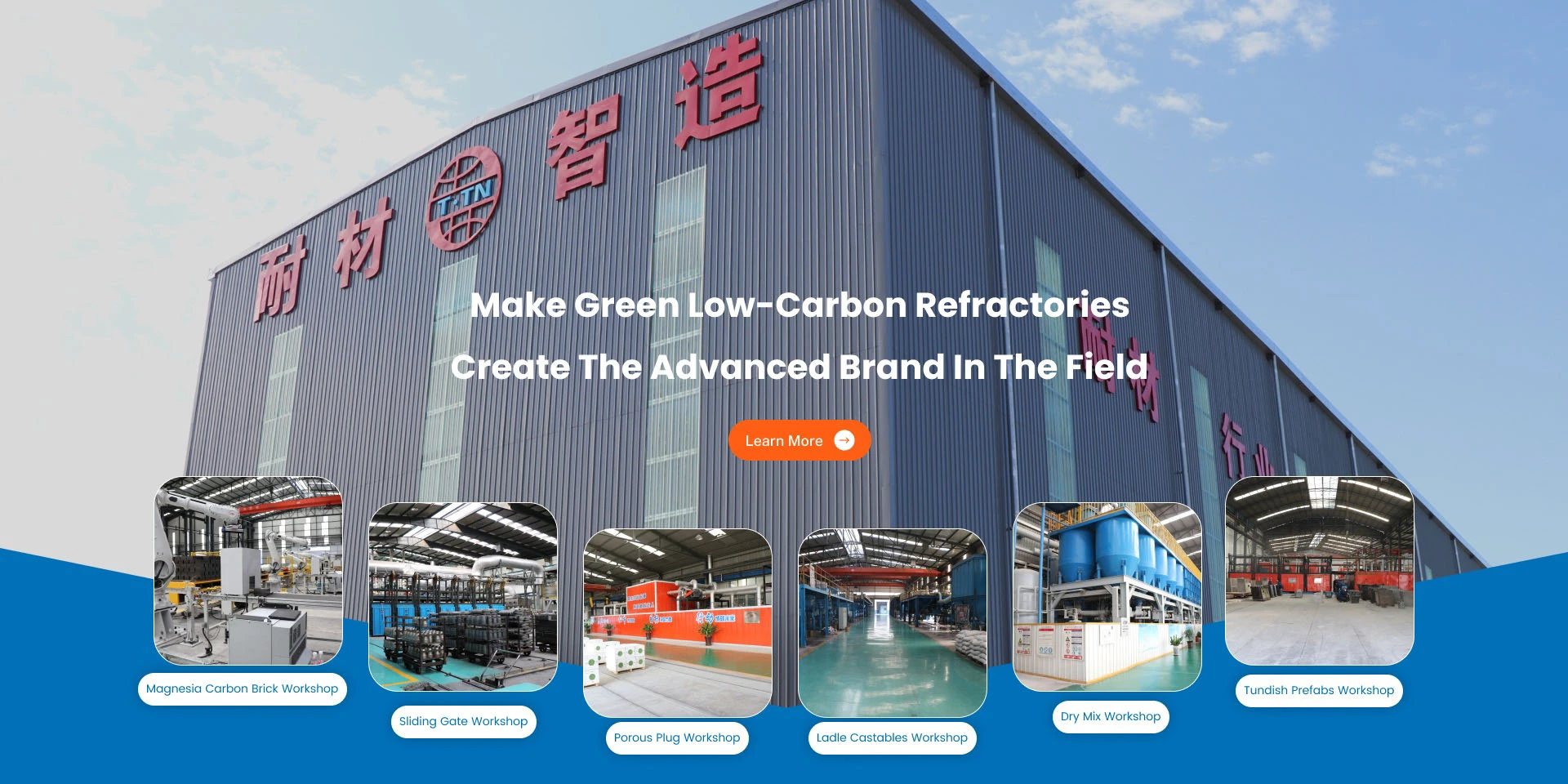
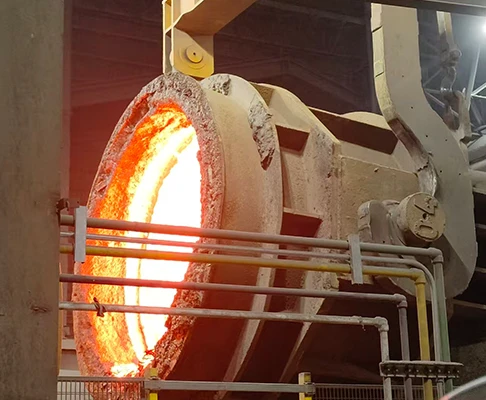
Guoliang company owns three wholly-owned subsidiaries and one branch. It is a Refractory Manufacturer & Supplier specializing in the integrated solution of refractories for high-temperature industry, providing customers with general contracting services and refractory products.

ABOUT GUOLIANG

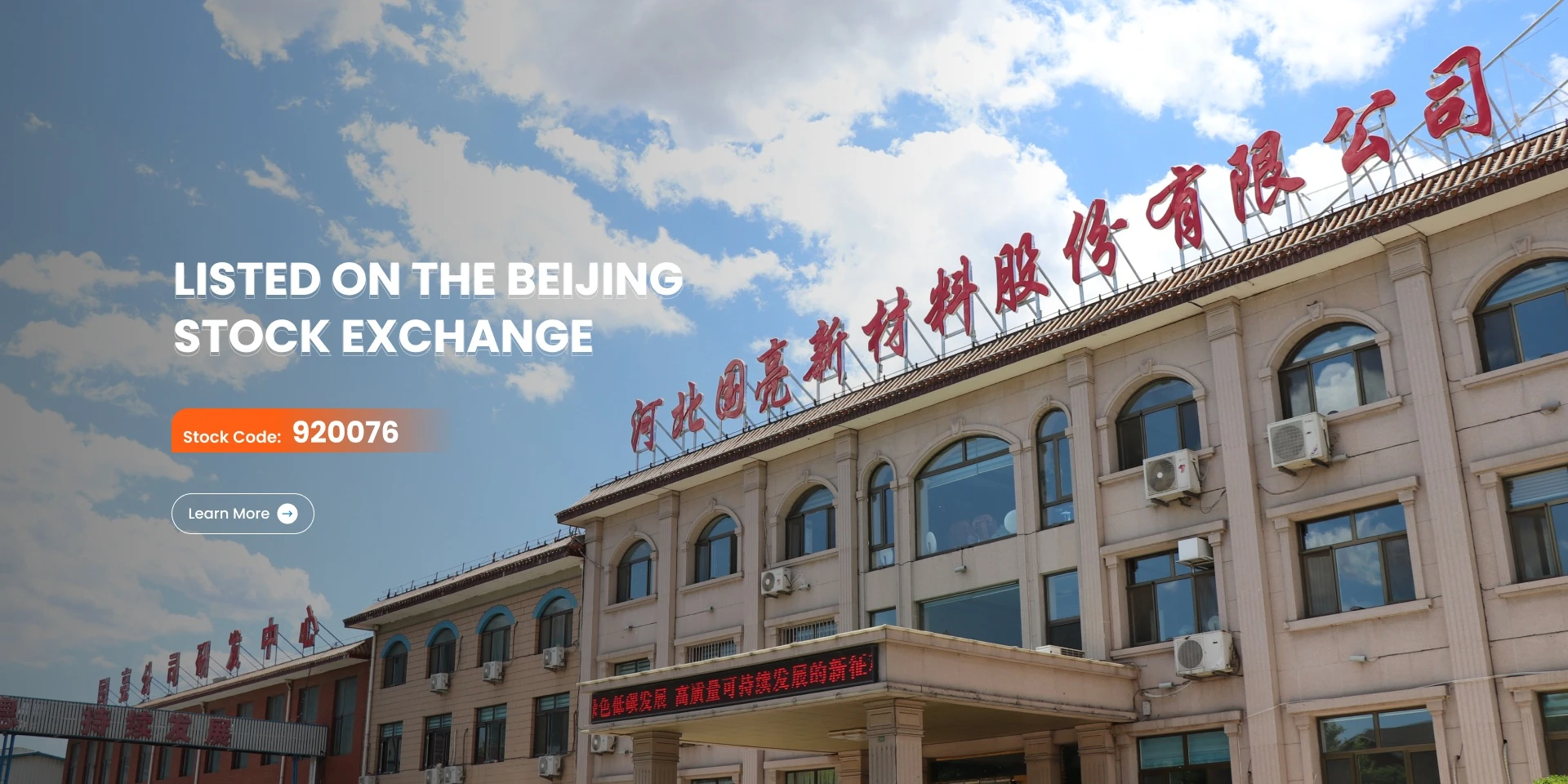
In 1995, Hebei Guoliang New Materials Co., Ltd. was established in Tangshan, Hebei Province. The Refractory Manufacturer & Supplier occupies an area of approximately 200,000 square meters. Total assets exceed 1.5 billion RMB. Guoliang company owns three wholly-owned subsidiaries and one branch. It is a high-tech enterprise specializing in the integrated solution of refractories for high-temperature industry, providing customers with general contracting services and refractory products. We have cooperated with more than 30 steel companies in domestic, which makes us build up rich experience in general contracting. And exported to Russia, Switzerland, Turkey, Serbia, Moldova, Korea, Indonesia, Vietnam, South Africa, etc.

Hebei Guoliang New Materials Co., Ltd.
ABOUT <span>GUOLIANG</span>

1995

Founded In

200000

Cover Areas

100

+

Major Researchers

117

sets

Research Equipment

70

+

Patents

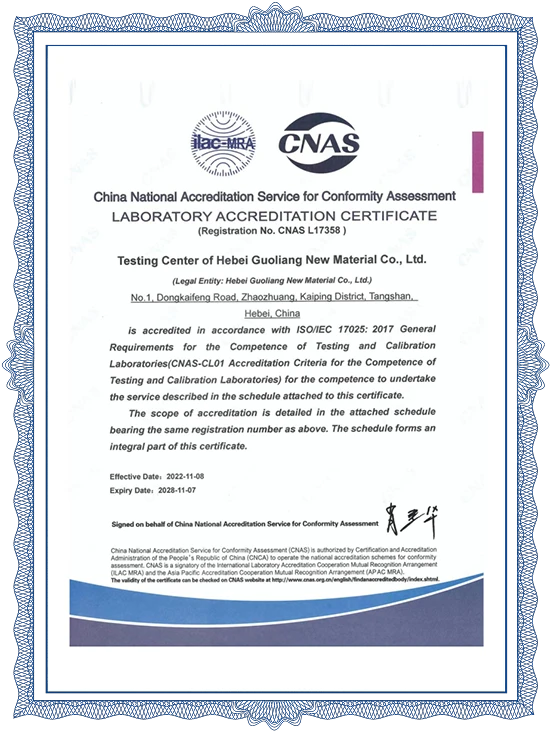
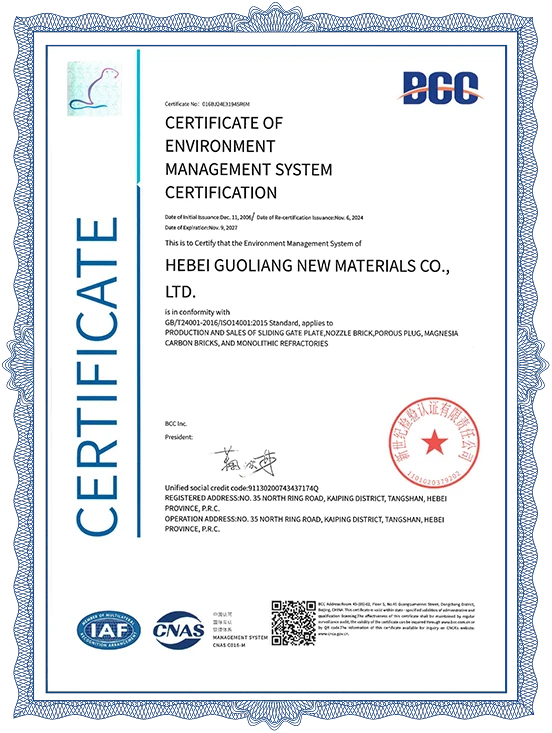
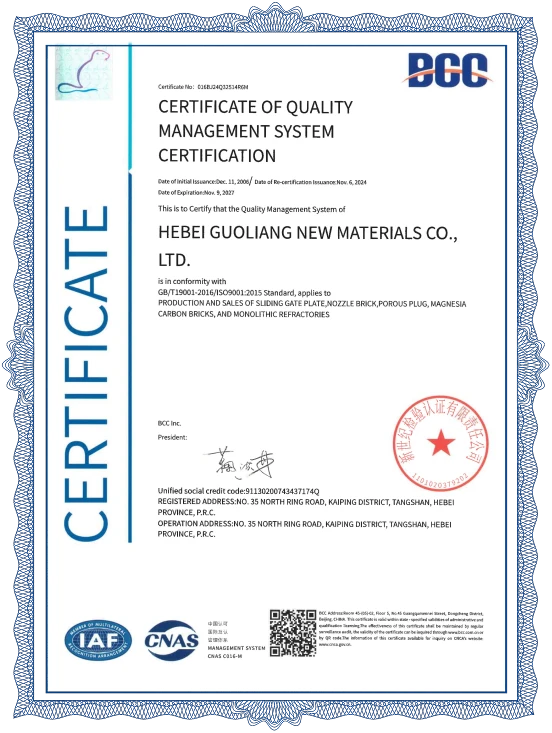
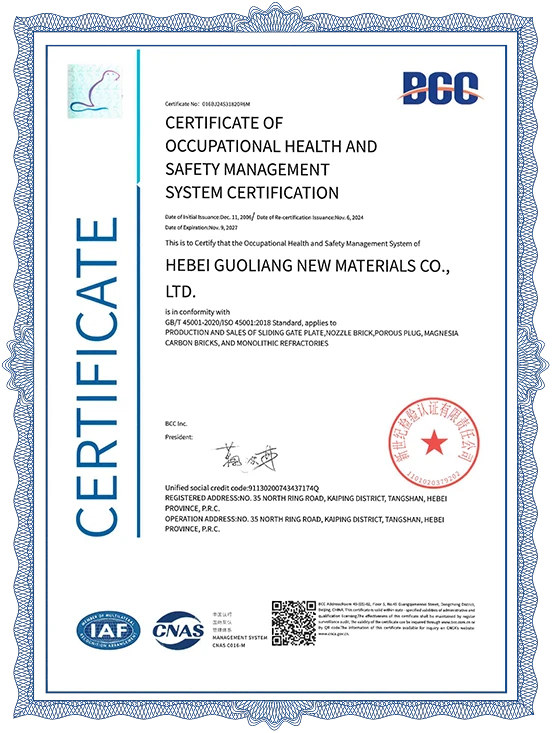
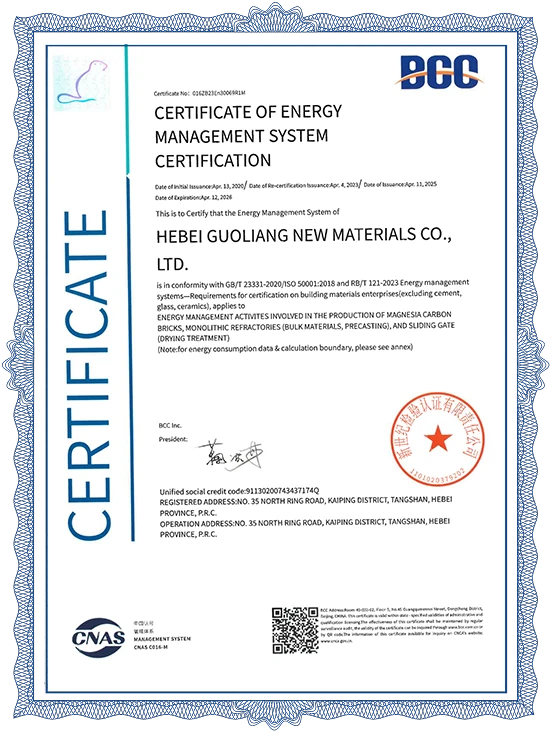
We have own CNAS Inspect Center and pass the certificates of ISO9001, ISO14001, ISO45001, ISO50001.

  • CNAS

    CNAS

  • ISO 14001

    ISO 14001

  • ISO 9001

    ISO 9001

  • ISO 45001

    ISO 45001

  • ISO 50001

    ISO 50001

  • CNAS

    CNAS

  • ISO 9001

    ISO 9001

  • ISO 14001

    ISO 14001

  • ISO 45001

    ISO 45001

  • ISO 50001

    ISO 50001


CNAS

ISO 14001

ISO 9001

ISO 45001

ISO 50001

CNAS

ISO 9001

ISO 14001

ISO 45001

ISO 50001

If you are interested in any of our products or would like to make your customized order, please feel free to contact us. We are looking forward to establish successful business relations with you.

Get A Free Quote

  • Afghanistan
  • Albania
  • Algeria
  • American Samoa
  • Andorra
  • Angola
  • Anguilla
  • Antarctica
  • Antigua and Barbuda
  • Argentina
  • Armenia
  • Aruba
  • Australia
  • Austria
  • Azerbaijan
  • Bahamas
  • Bahrain
  • Bangladesh
  • Barbados
  • Belarus
  • Belgium
  • Belize
  • Benin
  • Bermuda
  • BBhutan
  • Bolivia
  • Bosnia and Herzegovina
  • Botswana
  • Bouvet Island
  • Brazil
  • British Indian Ocean Territory
  • Brunei Darussalam
  • Bulgaria
  • Burkina Faso
  • Burundi
  • Cambodia
  • Cameroon
  • Canada
  • Cape Verde
  • Cayman Islands
  • Central African Republic
  • Chad
  • Chile
  • China
  • Christmas Island
  • Cocos (Keeling) Islands
  • Colombia
  • Comoros
  • Congo
  • Cook Islands
  • Costa Rica
  • Cote D'Ivoire
  • Croatia
  • Cuba
  • Cyprus
  • Czech Republic
  • Denmark
  • Djibouti
  • Dominica
  • East Timor
  • Ecuador
  • Egypt
  • El Salvador
  • Equatorial Guinea
  • Eritrea
  • Estonia
  • Ethiopia
  • Falkland Islands (Malvinas)
  • Faroe Islands
  • Fiji
  • Finland
  • France, Metropolitan
  • French Guiana
  • French Polynesia
  • Gabon
  • Gambia
  • Georgia
  • Germany
  • Ghana
  • Gibraltar
  • Greece
  • Greenland
  • Grenada
  • Guadeloupe
  • Guam
  • Guatemala
  • Guinea
  • Guinea-Bissau
  • Guyana
  • Haiti
  • Honduras
  • Hong Kong, China
  • Hungary
  • Iceland
  • India
  • Indonesia
  • Iran (Islamic Republic of)
  • Iraq
  • Ireland
  • Israel
  • Italy
  • Jamaica
  • Japan
  • Jordan
  • Kazakhstan
  • Kenya
  • Kiribati
  • North Korea
  • South Korea
  • Kuwait
  • Kyrgyzstan
  • Lao People's Democratic Republic
  • Latvia
  • Lebanon
  • Lesotho
  • Liberia
  • Libyan Arab Jamahiriya
  • Liechtenstein
  • Lithuania
  • Luxembourg
  • Macau
  • Madagascar
  • Malawi
  • Malaysia
  • Maldives
  • Mali
  • Malta
  • Marshall Islands
  • Martinique
  • Mauritania
  • Mauritius
  • Mayotte
  • Mexico
  • Micronesia
  • Moldova
  • Monaco
  • Mongolia
  • Montserrat
  • Morocco
  • Mozambique
  • Myanmar
  • Namibia
  • Nauru
  • Nepal
  • Netherlands
  • New Caledonia
  • New Zealand
  • Nicaragua
  • Niger
  • Nigeria
  • Niue
  • Norfolk Island
  • Northern Mariana Islands
  • Norway
  • Oman
  • Pakistan
  • Palau
  • Panama
  • Papua New Guinea
  • Paraguay
  • Peru
  • Philippines
  • Pitcairn
  • Poland
  • Portugal
  • Puerto Rico
  • Qatar
  • Reunion
  • Romania
  • Russian Federation
  • Rwanda
  • Saint Kitts and Nevis
  • Saint Lucia
  • Saint Vincent and the Grenadines
  • Samoa
  • San Marino
  • Saudi Arabia
  • Senegal
  • Seychelles
  • Sierra Leone
  • Singapore
  • Slovak Republic
  • Slovenia
  • Solomon Islands
  • Somalia
  • South Africa
  • Spain
  • Sri Lanka
  • St. Helena
  • Sudan
  • Suriname
  • Swaziland
  • Sweden
  • Switzerland
  • Syrian Arab Republic
  • Taiwan, China
  • Tajikistan
  • Tanzania
  • Thailand
  • Togo
  • Tokelau
  • Tonga
  • Trinidad and Tobago
  • Tunisia
  • Turkey
  • Turkmenistan
  • Turks and Caicos Islands
  • Tuvalu
  • Uganda
  • Ukraine
  • United Arab Emirates
  • United Kingdom
  • United States
  • Uruguay
  • Uzbekistan
  • Vanuatu
  • Vatican City State (Holy See)
  • Venezuela
  • Viet Nam
  • Virgin Islands (U.S.)
  • Wallis and Futuna Islands
  • Western Sahara
  • Yemen
  • Zambia
  • Zimbabwe
  • Montenegro
  • Serbia
  • Palestine
  • South Sudan
  • Jersey

Sep. 11, 2026

How To Prevent Tundish Nozzle Clogging

Tundish nozzle clogging is a common issue faced by manufacturers in the steel production industry, often leading to operational inefficiencies and quality issues. The consequences of these blockages are significant: decreased throughput, increased downtime, and higher operational costs. By exploring effective strategies to prevent clogging, manufacturers can enhance the performance of their

Sep. 10, 2026

Troubleshooting sliding gate plate erosion in steel continuous casting

Troubleshooting sliding gate plate erosion in steel continuous casting is crucial for maintaining production efficiency. Many steel manufacturers face this issue, which can lead to downtime and losses. Erosion of the sliding gate plate occurs due to high temperatures and the abrasive nature of molten steel. Understanding the factors causing this erosion can help in implementing effective

Sep. 09, 2026

RealJD Tech Chairman Xu Ruitu Visits Guoliang for Refractory Industry Exchange

RealJD Tech visited Guoliang for business exchange and discussion on high-quality development, innovation, and future cooperation in the refractory industry.

Sep. 09, 2026

Deepening Cooperation, Exploring Development Together — Shengquan Group Visits Guoliang Company for Exchange and Discussion

Guoliang welcomed Shengquan Group for a business exchange focused on cooperation opportunities, industry development, and innovation in high temperature materials and refractory solutions.

Sep. 09, 2026

How Tundish Weirs Improve Steel Cleanliness

In the steel manufacturing process, achieving optimal cleanliness is crucial for product quality and customer satisfaction. Tundish weirs play a significant role in this area by improving steel cleanliness during the casting process. This article will explore how these innovative structures enhance the quality of steel, reduce impurities, and meet the growing demands of the industry.

Sep. 03, 2026

What are the applications of refractories?

Refractories are essential materials in various high-temperature industries, serving crucial roles in furnace linings, kilns, reactors, and more. Understanding the applications of refractories can help businesses enhance efficiency and reduce operational costs. This article explores the key uses of refractories, highlighting their importance across different sectors including metallurgy, glass

Sep. 02, 2026

When to Replace Inner and Collector Nozzles

Knowing when to replace inner and collector nozzles is crucial for maintaining optimal performance. Nozzles are key components in many engineering systems. Over time, they can wear out or become clogged. This can lead to reduced efficiency and even system failure. Identifying the signs of wear can save you time and money. Are you unsure if it's time to replace your nozzles?

Sep. 01, 2026

Causes of gas permeability loss in steel ladle porous plugs

Gas permeability loss in steel ladle porous plugs is a significant issue in the steelmaking industry. This problem can lead to inefficiencies and increased production costs. It occurs when the porous plugs, designed to control gas flow, become less effective over time. Understanding the causes is essential for maintaining optimal performance. Common causes include clogging, wear, and improper

We have cooperated with more than 30 steel companies in domestic, which makes us build up rich experience in general contracting. And exported to Russia, Switzerland, Turkey, Serbia, Moldova, Brazil, Korea, Indonesia, Vietnam, South Africa, etc.

  • PARTNERS
  • PARTNERS
  • PARTNERS
  • PARTNERS
  • PARTNERS
  • PARTNERS
  • PARTNERS
  • PARTNERS
  • PARTNERS
  • PARTNERS
  • PARTNERS
  • PARTNERS
  • PARTNERS
  • PARTNERS
  • PARTNERS
  • PARTNERS
  • PARTNERS
  • PARTNERS
  • PARTNERS
  • PARTNERS
  • PARTNERS
  • PARTNERS
  • PARTNERS
  • PARTNERS
0.179362s