


Continuous casting processes are vital in modern metallurgy, ensuring the efficient production of high-quality steel. However, refractory materials often face severe operational challenges, impacting performance and costs. Choosing the best refractory solutions can resolve heat resistance, thermal shock, and wear issues. In this article, we will explore the top refractory solutions for continuous casting, evaluating their benefits and applications.
Thermal shock resistance is crucial for continuous casting refractories where dramatic temperature changes occur. Materials that can withstand thermal fluctuations help maintain structural integrity and longevity.
Refractories in continuous casting are subject to physical wear from the flow of molten metal. Selecting materials with high wear resistance minimizes replacement costs and downtime.
Continuous casting refractories must resist chemical reactions with molten metals and slags. Ensuring stability can reduce contamination risks and improve product quality.
Optimal thermal conductivity aids in maintaining desired temperatures in the casting process, influencing metal quality and energy efficiency.
| Refractory Type | Key Features | Benefits |
|---|---|---|
| Alumina-based Refractories | High melting point, excellent thermal shock resistance | Longevity and reduced maintenance costs |
| Magnesite Refractories | Superior wear resistance, chemical stability | Enhanced durability in harsh conditions |
| Silica Refractories | Good thermal conductivity, low thermal expansion | Improved heat management |
In one steel manufacturing plant, the adoption of alumina-based refractories led to a 20% increase in service life compared to previous materials. This improvement resulted in significant cost savings and higher metal quality.
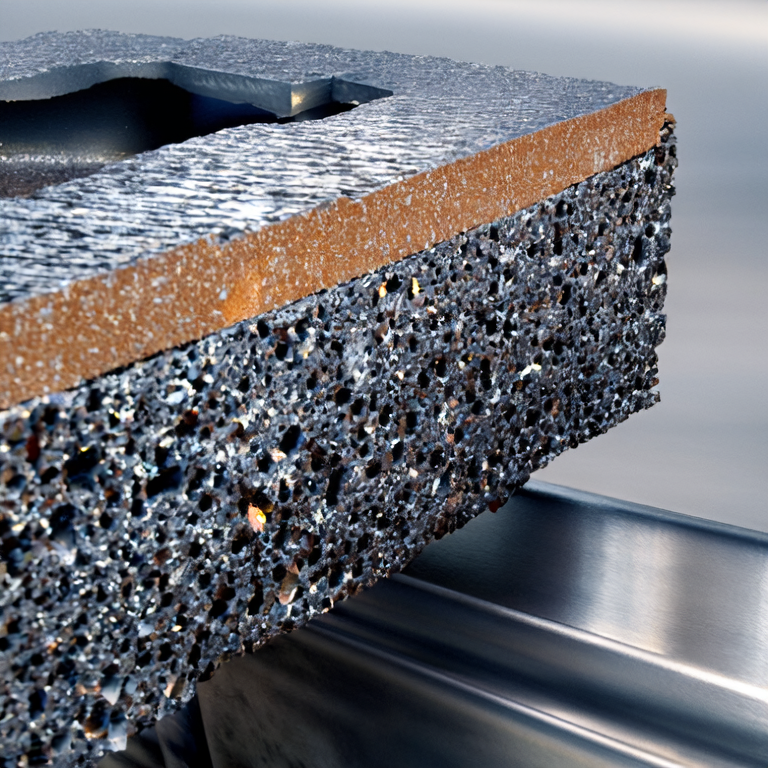
As technology evolves, the demand for innovative refractory solutions in continuous casting will grow. Manufacturers, like Guoliang, are focusing on developing materials that enhance performance while reducing costs, addressing the ever-present challenges in the industry.
The most critical properties include thermal shock resistance, wear resistance, chemical stability, and optimal thermal conductivity.
The replacement frequency varies based on material type and operational conditions, but regular inspections can help determine optimal timing.
Yes, continuous advancements in material science can lead to the development of new refractories with superior properties, enhancing overall casting performance.

Previous:
None

READY TO START A PROJECT?
If you are interested in any of our products or would like to make your customized order, please feel free to contact us.
Featured Articles
If you are interested in any of our products or would like to make your customized order, please feel free to contact us. We are looking forward to establish successful business relations with you.
Get A Free Quote