


When it comes to steel manufacturing, understanding the differences between BOF and EAF refractories is crucial. BOF, or Basic Oxygen Furnace, and EAF, or Electric Arc Furnace, both use refractories but have unique requirements. This variability can significantly impact operational efficiency and product quality. Reliable refractories are essential for handling high temperatures. They also protect equipment from wear and damage. Each furnace type requires specific physical and chemical properties to perform effectively. In this article, we will explore these refractor requirements and help you make informed decisions.
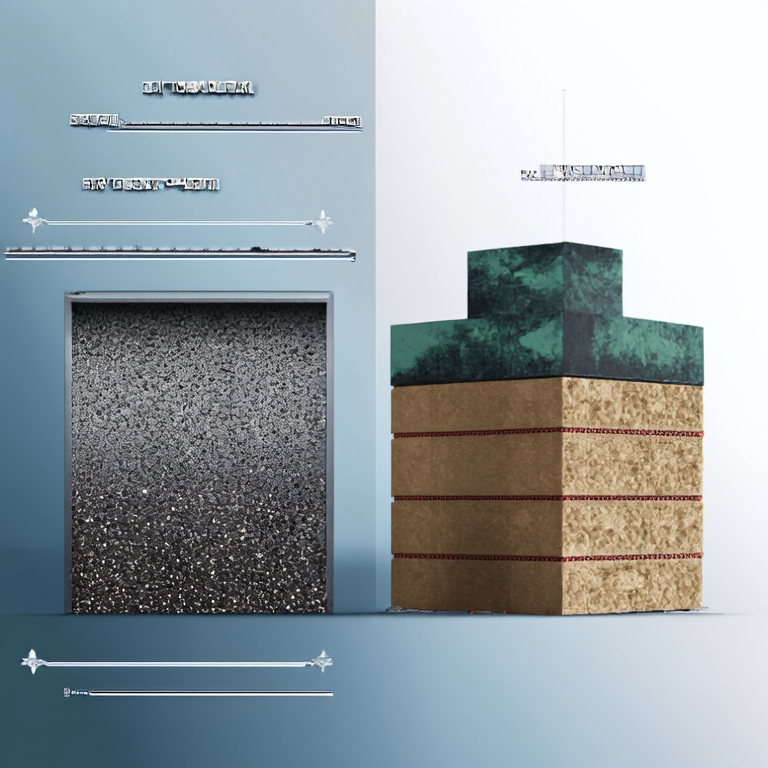
bof refractories are designed for basic oxygen furnaces, while EAF refractories are tailored for electric arc furnaces. Each type meets distinct thermal, chemical, and mechanical properties to withstand different operating conditions.
BOF refractories typically contain high levels of magnesia and dolomite. In contrast, EAF refractories incorporate a higher proportion of alumina and silica. This difference affects durability and melting point.
BOF refractories generally have lower thermal conductivity compared to EAF refractories. This quality helps in temperature control during the steel-making process and enhances energy efficiency.
BOF refractories resist basic slags, making them ideal for the reactions in the basic oxygen process. EAF refractories are better suited for acidic conditions, providing them with necessary chemical resistance during electric arc melting.
BOF refractories are robust, allowing them to handle the intense mechanical stresses. EAF refractories also need to be strong but focus more on tensile strength due to different operational impacts.
BOF refractories typically last longer due to their composition and structure. Meanwhile, EAF refractories may require more frequent replacements due to different wear patterns and challenges.
The cost of refractories can vary significantly. Generally, BOF refractories may be more expensive upfront, but their durability can offer lower long-term costs compared to EAF refractories.
In summary, BOF vs EAF refractory requirements reveal key differences that play a crucial role in steelmaking efficiency and effectiveness. Understanding these differences is vital for modern steel production. Proper refractory selection can lead to improved durability, cost-effectiveness, and product quality.
1. What is the main difference between BOF and EAF refractories?
BOF refractories are designed for high-temperature resistance in basic oxygen furnaces, while EAF refractories are optimized for electric arc furnaces with acidic environments.
2. Why is chemical resistance important in refractories?
Chemical resistance prevents deterioration during the intense chemical reactions that occur in both BOF and EAF processes.
3. How do thermal conductivity levels affect steel production?
Lower thermal conductivity in BOF refractories helps maintain temperature control, enhancing energy efficiency and product quality.
4. What factors influence the life span of refractories?
Factors include the type of furnace, the materials being processed, operational conditions, and the quality of the refractory itself.
5. Are there significant cost differences between BOF and EAF refractories?
Yes, BOF refractories may have a higher initial cost but can be more cost-effective over time due to their longer life span.
READY TO START A PROJECT?
If you are interested in any of our products or would like to make your customized order, please feel free to contact us.
Featured Articles
If you are interested in any of our products or would like to make your customized order, please feel free to contact us. We are looking forward to establish successful business relations with you.
Get A Free Quote

