


Choosing the right refractory materials for ladles is crucial in the metal production industry. These materials must withstand extreme temperatures and harsh conditions. Proper ladle linings prevent heat loss and deterioration. Understanding different types of refractory materials can help improve efficiency and reduce costs. This guide will help you navigate the options available in ladle refractories.
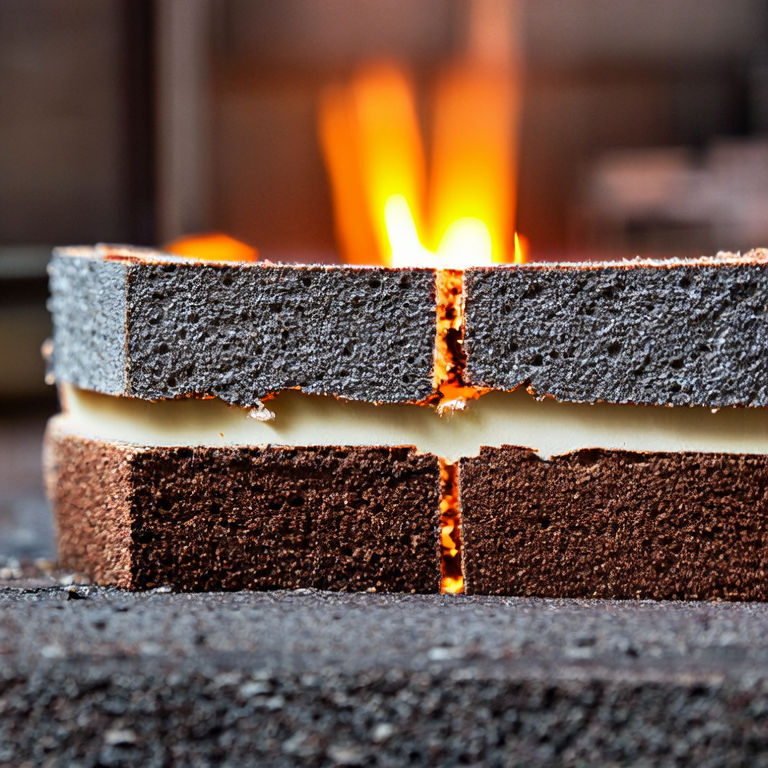
Refractory materials for ladles are designed to resist high temperatures and corrosion. They play a vital role in the steelmaking process, ensuring durability and thermal efficiency.
Basic refractories are made from materials like magnesia and dolomite. They are known for their resistance to basic slag and high temperatures. These materials are particularly effective in steel ladles.
Acid refractories include silica and alumina types. They are suitable for environments with acidic conditions. Their high melting point makes them ideal for certain ladle applications.
Neutral refractories, such as alumina-spinel, can withstand either acidic or basic attack. They provide good corrosion resistance and thermal stability.
High thermal conductivity helps in maintaining temperature during metal pouring. Choosing the right material can improve ladle efficiency.
Mechanical strength determines how well the ladle can handle physical stress. Stronger materials can withstand more wear and tear during operation.
The chemical makeup of refractory materials affects their performance. It is essential to select materials that resist reaction with molten metal and slag.
Clean and prepare the ladle surface before installation. Remove any residues and contaminants to ensure proper adhesion of the refractory materials.
Apply the refractory material in layers. Each layer should be compacted firmly. Allow adequate curing time between layers to enhance durability.
Conduct quality checks throughout the installation process. Regular testing ensures the effectiveness of the refractory lining once it is in use.
Inspect refractory linings often to identify signs of wear. Early detection of issues can prevent costly repairs.
Common repair techniques include patching and replacing damaged sections. Maintaining integrity helps prolong the life of the ladle.
Understanding refractory materials for ladles is essential for anyone involved in metal production. Selecting the right type of material based on properties like thermal conductivity and chemical resistance can improve operational efficiency. Regular maintenance is also crucial. By following the guidelines in this complete guide, you can enhance the performance and lifespan of ladles in your operation.
Q: What are refractory materials?
A: Refractory materials are designed to withstand high temperatures and protect equipment used in metal production.
Q: How often should ladle linings be inspected?
A: Inspections should be conducted regularly to identify any damage or wear that needs repair.
Q: What is the best refractory material for a steel ladle?
A: Basic refractories, like magnesia, are often the best choice due to their high resistance to slag and heat.
READY TO START A PROJECT?
If you are interested in any of our products or would like to make your customized order, please feel free to contact us.
Featured Articles
If you are interested in any of our products or would like to make your customized order, please feel free to contact us. We are looking forward to establish successful business relations with you.
Get A Free Quote

