


The factors affecting oxidation resistance of ladle magnesia carbon bricks are crucial for their performance in steelmaking. Magnesia carbon bricks are widely used in ladles due to their thermal stability and resistance to chemical attack. However, their oxidation resistance can vary based on several factors. Understanding these elements can help manufacturers enhance the life and efficiency of ladle refractories. It is essential to explore properties such as binder material, brick composition, and environmental conditions that influence oxidation. 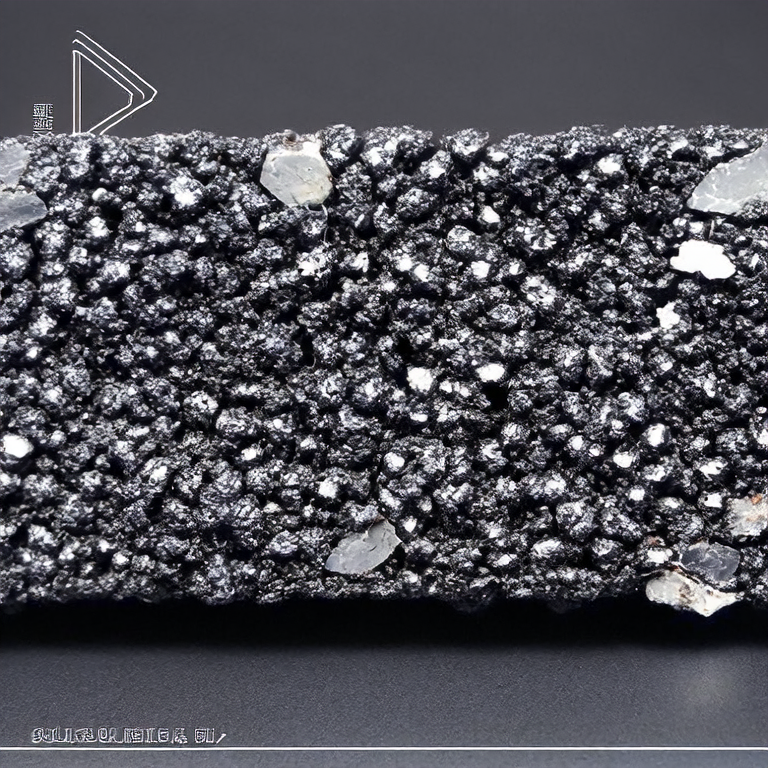
The oxidation resistance of ladle magnesia carbon bricks is mainly influenced by the binder type, brick composition, and environmental factors during operation. These aspects determine how well the bricks can withstand oxidation, thus affecting their durability and performance.
The type of binder used in magnesia carbon bricks significantly impacts their oxidation resistance. Common binders include phenolic resin and pitch. Each binder reacts differently under high temperatures and in contact with molten metal. The chemical properties of these binders can either enhance or weaken the oxidation resistance. Thus, selecting the right binder is vital for providing optimal performance in ladles.
The magnesium oxide content in the bricks plays a critical role in their ability to resist oxidation. Higher magnesia levels generally lead to better oxidation resistance. This is because magnesium oxide forms a protective layer when exposed to air, thereby slowing the oxidation process. Additionally, the purity of the magnesia used can also influence the brick's overall performance.
Carbon not only enhances thermal stability but also contributes to oxidation resistance. The ratio of carbon to magnesia is essential. A balanced composition helps minimize oxidation, thus extending the lifespan of the bricks.
High-temperature environments accelerate oxidation. Repeated exposure to extreme temperatures can weaken the bricks. Understanding the temperature cycles in steelmaking is essential for predicting the behavior of magnesia carbon bricks. Structures should be designed to handle these fluctuations effectively.
The presence of reactive gases such as oxygen can drastically affect oxidation resistance. Environments rich in oxygen promote faster degradation of the bricks. Therefore, controlling the atmosphere around the ladle is paramount for maintaining the integrity of magnesia carbon bricks.
In summary, the oxidation resistance of ladle magnesia carbon bricks is influenced by various factors, including binder material, brick composition, and environmental conditions during operation. Understanding these factors allows manufacturers to improve the durability and performance of ladle refractory materials, making them more effective in demanding steelmaking applications.
1. What are magnesia carbon bricks?
Magnesia carbon bricks are designed for use in high-temperature applications like steelmaking ladles. They provide thermal stability and resistance to chemical attacks.
2. Why is oxidation resistance important?
Oxidation resistance is crucial as it affects the lifespan and durability of the bricks in a high-temperature environment, which can lead to operational efficiency.
3. How can oxidation resistance be improved?
Improvements can be made by selecting appropriate binder materials, optimizing magnesia and carbon content, and controlling the atmospheric conditions around the ladle.
4. What happens if the bricks oxidize?
If bricks oxidize, they can weaken and fail, leading to increased costs due to frequent replacements and potential downtime in steel production.
5. How often should ladle magnesia carbon bricks be replaced?
Replacement frequency depends on usage and operational conditions, but regular inspections can help determine the optimal time for replacement.
6. Can magnesia carbon bricks be recycled?
Yes, some components of the used magnesia carbon bricks can be recycled, but this depends on their condition and the materials’ integrity.
READY TO START A PROJECT?
If you are interested in any of our products or would like to make your customized order, please feel free to contact us.
Featured Articles
If you are interested in any of our products or would like to make your customized order, please feel free to contact us. We are looking forward to establish successful business relations with you.
Get A Free Quote

