


mold powder characteristics significantly affect the surface quality of steel slabs. This is a common challenge in the steelmaking industry. High-quality surface quality is essential for the performance and longevity of steel products. If the mold powder does not have the right properties, it can lead to defects in the steel surface. These defects include cracks, inclusions, and uneven finishes. Understanding how these characteristics influence the outcome is crucial for manufacturers. Proper selection of mold powder can enhance steel slab quality and reduce production costs.
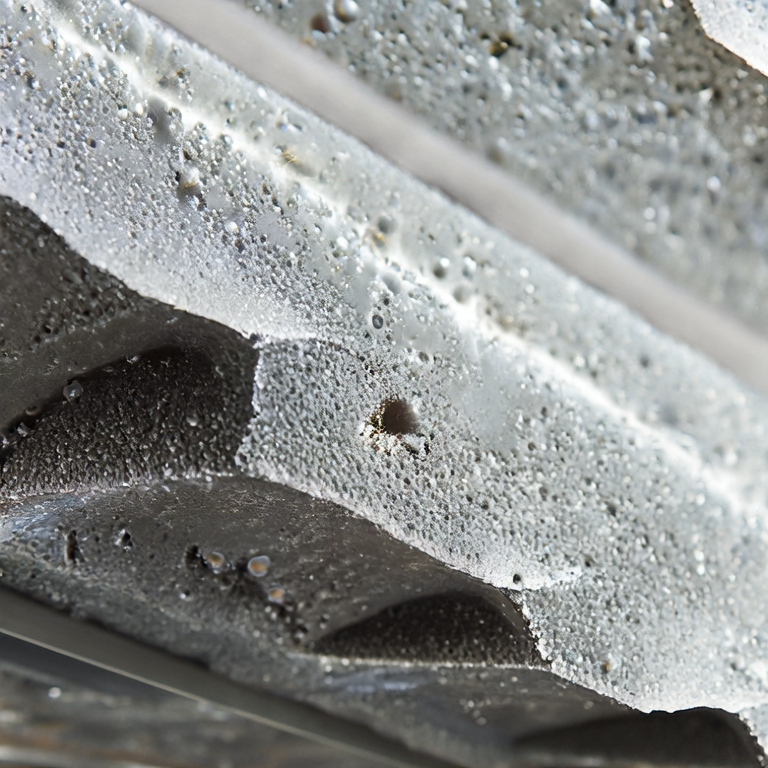
The characteristics of mold powder have a direct impact on the surface quality of steel slabs. Key factors like fluidity, melting point, and cooling properties are critical. When mold powder is optimized, it helps create smoother finishes, reduces defects, and improves overall production efficiency.
Fluidity of mold powder is essential. Higher fluidity allows the powder to spread evenly over the molten steel surface. This even distribution reduces the risk of surface defects.
The melting point determines how quickly the mold powder can act. An optimal melting point helps prevent solidification too early, which can lead to uneven cooling and defects on the surface.
Proper cooling properties of mold powder can control the rate of solidification. Faster cooling can lead to higher quality surfaces, while slow cooling may encourage defects.
| Mold Powder Type | Fluidity | Melting Point (°C) | Cooling Rate | Surface Defects |
|---|---|---|---|---|
| A | High | 1200 | Fast | Minimal |
| B | Medium | 1300 | Moderate | Moderate |
| C | Low | 1400 | Slow | High |
In a recent study at Steel Plant X, switching to a high fluidity mold powder improved surface quality. The ratio of defective slabs decreased from 10% to 2% within six months of the new powder's implementation.
Data shows that slabs made with ideal mold powder characteristics produce less than 1% surface defects. In contrast, slabs made with subpar powder exhibit up to 15% defects.
In summary, the characteristics of mold powder indeed affect the surface quality of steel slabs. Choosing the right mold powder with optimal fluidity, melting point, and cooling properties can significantly improve the quality of steel products. This knowledge is important for steel manufacturers aiming to reduce defects and enhance product reliability.
1. What is mold powder? Mold powder is a material used in steelmaking that protects molten steel during casting and improves surface quality.
2. How does mold powder affect defects? The correct mold powder characteristics help prevent surface defects like cracks and uneven finishes.
3. What are the main types of mold powder? Common types include those with high fluidity, medium fluidity, and low fluidity, which affect surface quality differently.
4. Can changing mold powder improve production? Yes, using a higher quality mold powder can improve production efficiency and reduce the cost associated with reworking defective products.
5. What is the ideal melting point for mold powder? The ideal melting point varies, but generally, a range between 1200°C to 1300°C is recommended for optimal performance.
6. How can I measure surface quality? Surface quality can be assessed through visual inspections and tests for defects using specialized equipment.
READY TO START A PROJECT?
If you are interested in any of our products or would like to make your customized order, please feel free to contact us.
Featured Articles
If you are interested in any of our products or would like to make your customized order, please feel free to contact us. We are looking forward to establish successful business relations with you.
Get A Free Quote

