


In continuous casting, molten steel must move from the ladle to the tundish at a stable and controllable rate. Excessive flow can disturb tundish operation, while insufficient or unstable flow can interrupt the casting sequence.
A sliding gate plate is one of the key refractory components used to regulate this flow. By changing the alignment of the openings between stationary and moving refractory plates, the slide gate system can start, throttle or completely stop molten steel flow.
For steel plants, reliable slide gate performance is therefore important not only for flow control, but also for casting stability, operational safety and refractory service life.
A sliding gate plate is a precision-shaped refractory plate installed in a slide gate mechanism at the bottom of a steel ladle or, in some casting systems, the tundish.
A typical ladle slide gate assembly works together with several refractory components:
● Ladle well block
● Inner or upper nozzle
● Fixed sliding gate plate
● Moving sliding gate plate
● Collector nozzle
● Slide gate mechanical or hydraulic mechanism
These components form a controlled channel through which molten steel flows from the ladle into the tundish.
The working principle is based on the relative position of the bores in the refractory plates.
When the openings in the fixed and sliding plates are aligned, the effective flow area is maximized and molten steel can pass through the nozzle system.
When the moving plate shifts away from full alignment, only part of the two openings overlaps.
This reduces the effective flow area and restricts molten steel flow.
By adjusting the sliding position, operators or automatic control systems can regulate the discharge rate according to casting requirements.
When the moving plate shifts far enough that the openings no longer overlap, the steel passage is closed.
This allows the ladle flow to be stopped during normal casting operations or when shut-off is required.
Therefore, the slide gate system controls steel flow by changing the effective opening area, rather than by changing the size of the refractory bore itself.
Continuous casting requires a consistent supply of molten steel to downstream equipment.
Stable ladle-to-tundish flow helps maintain controlled operating conditions throughout the casting sequence.
A properly functioning sliding gate system contributes to:
● Stable molten steel discharge
● Better tundish level control
● Smooth ladle changes and casting sequences
● Reduced risk of uncontrolled steel flow
● Reliable emergency shut-off
● More predictable continuous casting operation
This makes the sliding gate plate a functional refractory rather than simply a protective refractory component.
Sliding gate systems can be used at different points in the continuous casting process.
| Application | Flow Direction | Main Function |
|---|---|---|
| Ladle sliding gate | Ladle → Tundish | Controls steel discharge from the ladle |
| Tundish sliding gate | Tundish → Casting system | Regulates downstream molten steel flow |
| BOF sliding gate | Converter → Ladle | Controls tapping and helps limit slag carryover |
For this reason, slide gate plates should be selected according to their installation position and actual operating conditions rather than treated as interchangeable refractory parts.
Understanding the Design Specifications
Selecting the Right Sliding Gate Plate
Installation and Calibration
Real-Time Monitoring
Routine Maintenance
While implementing sliding gate plates, you may encounter challenges, such as improper alignment or wear due to high temperatures. Here are some strategies to overcome these hurdles:
Training Personnel: Conduct training sessions for your operators to recognize and resolve common issues regarding sliding gate plate operation. Investing in your workforce enhances overall efficiency and reduces errors.
Regular Monitoring: Keep a log of gate performance and regularly review it for patterns or recurring issues. This proactive approach can help you identify problems before they escalate.
Quality Assurance: Incorporate stringent testing measures in line with DIN standards to ensure the plates are functioning correctly. A 100% inspection rate can instill confidence in your processes.
To further enhance your operations, consider these tools and resources:
Computerized Control Systems: Invest in advanced control systems that allow for seamless integration with your casting operations and facilitate real-time adjustments.
Data Analytics Software: Utilize software solutions to analyze flow data and optimize future casting runs based on historical performance metrics.
Collaboration with Experts: Partner with engineering firms specializing in continuous casting to gain insights and recommendations about the latest technologies and best practices.
In summary, effective control of steel flow in continuous casting using sliding gate plates is not only achievable but can lead to substantial improvements in quality and efficiency. Start by understanding the specifications and selecting the right equipment. Ensure accurate installation, maintain rigorous monitoring, and conduct routine maintenance. Don’t forget to train your personnel and utilize advanced tools to optimize your processes continuously.
I encourage you to take these steps immediately and witness a transformation in your continuous casting operations. The benefits of high-precision sliding gate plates, like those offered by Guoliang, can significantly elevate your output quality, reduce waste, and enhance overall productivity. Let’s streamline your steel production today!
READY TO START A PROJECT?
If you are interested in any of our products or would like to make your customized order, please feel free to contact us.
Featured Articles
RELATED PRODUCTS
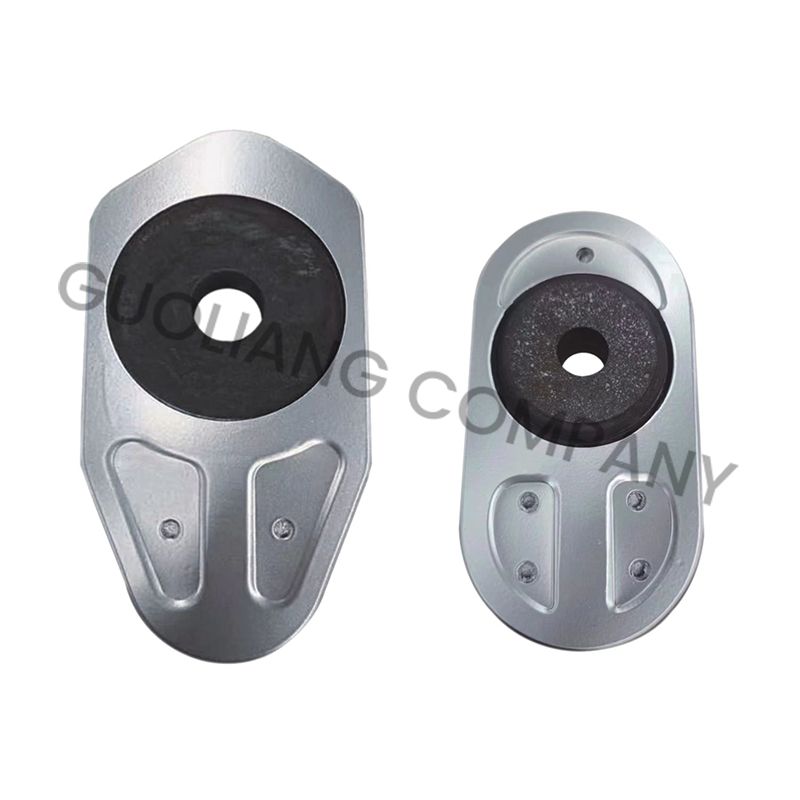
The ladle slide gate plate is mainly used for ladle flow control in steel-making plants.It is an important functional component for safe operation of ladles.
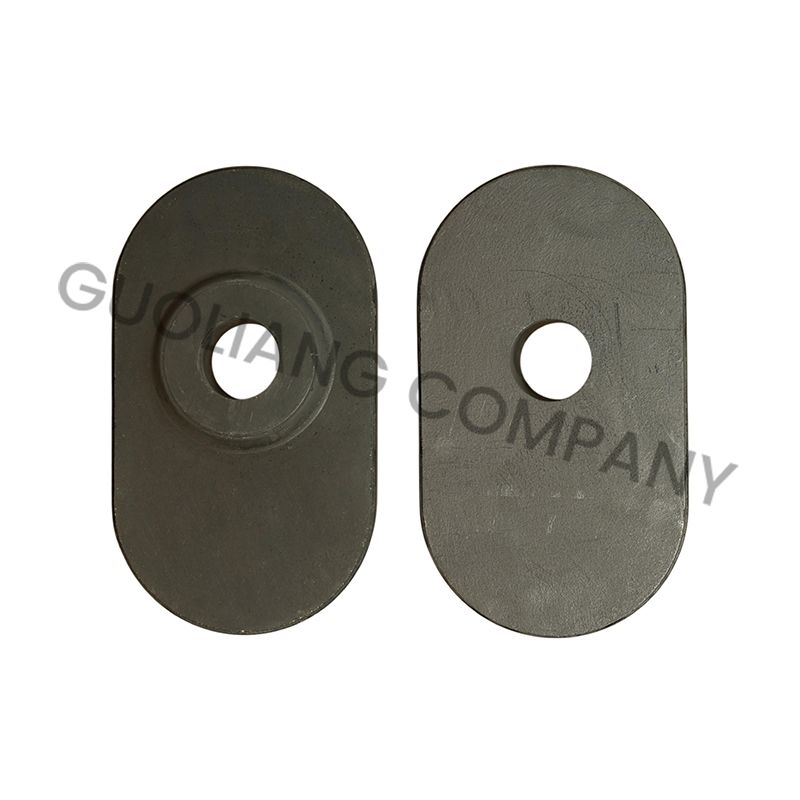
The ladle slide gate plate is mainly used for ladle flow control in steel-making plants. It is an important functional component for safe operation of ladles. The sliding gate nozzle of the ladle is used to control the steel flow and the height of the liquid level of tundish. The sliding gate nozzle consists of inner nozzle, upper sliding gate plate, collect nozzle and lower sliding gate plate.
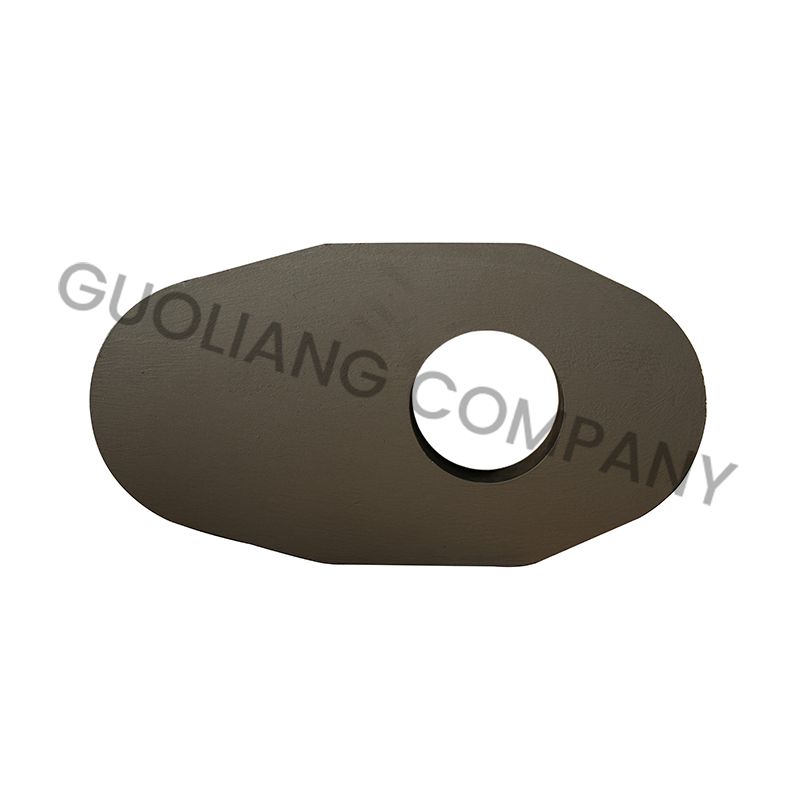
The BOF Sliding Gate Plate is mainly used for ladle flow control in steel-making plants.It is an important functional component for safe operation of ladles.
If you are interested in any of our products or would like to make your customized order, please feel free to contact us. We are looking forward to establish successful business relations with you.
Get A Free Quote

