Home / News / How Steel Ladle Refractories Improve Ladle Life and Safety

How Steel Ladle Refractories Improve Ladle Life and Safety

Introduction: Challenges in Steel Ladle Operations

In the steel manufacturing industry, ensuring optimal performance and safety of ladles presents a significant challenge. Operators frequently face issues like short ladle life, thermal shock, and material degradation. The need to enhance safety standards while reducing operational costs becomes paramount. For instance, many steel mills struggle with ladle linings failing within 120 heats, primarily due to inadequate refractory solutions. The integration of high-quality steel ladle refractories can address these pain points, significantly extending ladle life by up to 30% and improving operational safety. This article will explore how Guoliang refractories can overcome these issues effectively.

Understanding Steel Ladle Refractories: Needs and Benefits

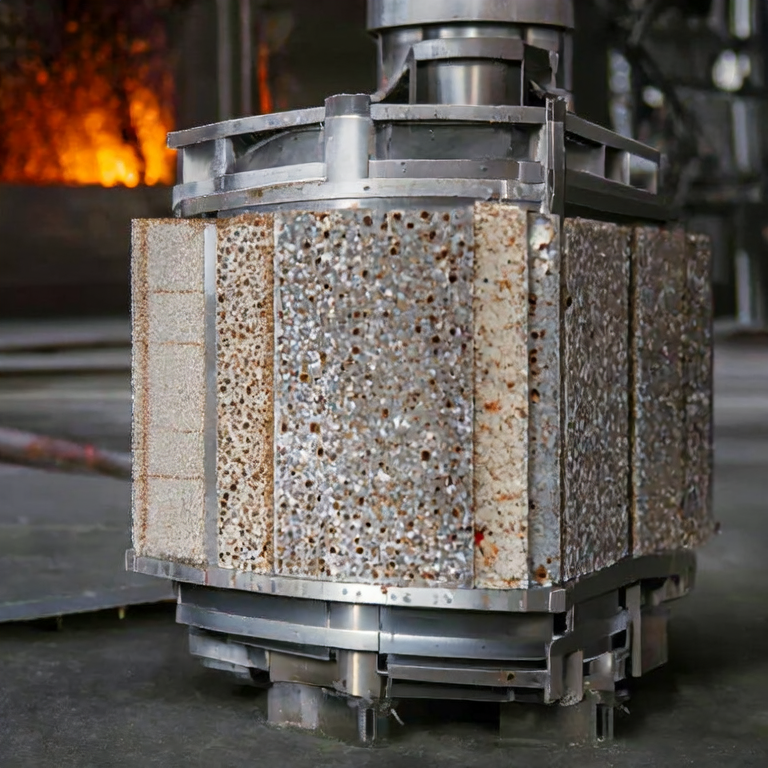
Steel ladle refractories serve as linings that protect the ladle from extreme temperatures and chemical reactions. Users, particularly in foundries and steel mills, need refractories that withstand thermal cycling, resist corrosion, and demonstrate longevity. Refractories that can endure temperatures above 1600°C (2912°F) with minimal wear are essential. Furthermore, they must provide optimal thermal insulation to preserve heat during transportation, focusing on maintaining a temperature drop of less than 15°C over a 30-minute period. Hence, the combination of high-performance materials like alumina-spinel and zirconia in Guoliang refractories significantly enhances the life and safety of ladles.

Preparation: Materials and Tools

Before integrating new steel ladle refractories, several preparatory steps are necessary:

  1. Assessment of Existing Infrastructure: Review the current ladle design, operational requirements, and existing refractory materials.
  2. Selection of Refractory Materials: Choose Guoliang refractories, focusing on alumina, magnesia, or zirconia-based products for the required thermal performance.
  3. Necessary Tools: Gather tools like refractory mixers, vibrating tables, and spray equipment for application.
  4. Safety Equipment: Ensure the availability of personal protective equipment (PPE) for the crew.

Step-by-Step Guidance for Improving Ladle Life and Safety

  1. Evaluate the Current Ladle Performance:

    Review past operational data to understand the average number of heats before ladle failure (typically less than 120). Collect feedback from operators on thermal performance issues.

  2. Choose the Right Refractory Solution:

    Opt for Guoliang steel ladle refractories that are proven to withstand high temperatures and have a minimal thermal expansion coefficient, ensuring durability.

  3. Prepare the Ladle Surface:

    Thoroughly clean and prepare the ladle surface. Remove any residual refractory material using high-pressure air or water jets.
    How Steel Ladle Refractories Improve Ladle Life and Safety
  4. Apply the Refractory Materials:

    Mix the selected Guoliang refractories with the appropriate additives, following manufacturer guidelines for optimal performance. Apply them uniformly to ensure complete coverage.

  5. Conduct Quality Checks:

    Inspect the newly lined ladle for any inconsistencies. Conduct a heat test to evaluate the performance under operational conditions.

  6. Monitor Performance Regularly:

    Track the ladle's performance post-application. Look for signs of wear and thermal stress during the first 50 heats to identify any early issues.

Common Errors and Solutions in Ladle Refractory Applications

Despite best efforts, several common errors can occur when applying steel ladle refractories:

  • Inadequate Surface Preparation: Failure to properly clean the ladle can lead to bonding issues. Ensure surfaces are free of contaminants before application.
  • Incorrect Material Mixing: Not adhering to mixing ratios can influence performance. Always follow Guoliang specifications.
  • Poor Application Techniques: Uneven application can result in weak spots. Use appropriate tools and techniques to assure uniformity and thickness.

Conclusion: Summary and Suggestions

Implementing high-quality steel ladle refractories like those from Guoliang not only extends the ladle's lifespan but also enhances safety by reducing the risk of thermal shock and material failure. By following the outlined steps and addressing common errors, steel manufacturers can achieve a significant improvement in operational efficiency. For optimal performance, regular reviews and updates of refractory technologies and materials based on the latest industry standards are recommended.

FAQs About Steel Ladle Refractories

How long can steel ladle refractories last?
With high-quality materials like Guoliang, ladles can last up to 30% longer compared to standard refractory solutions, achieving up to 150 heats per lining.
What factors influence the selection of ladle refractories?
Key factors include the operational temperature, chemical reactivity of the molten steel, and thermal cycling stresses.
How can I increase the safety of my steel ladles?
Choosing proper refractory materials, maintaining regular inspections, and training operators on safe handling practices are essential for improving ladle safety.
READY TO START A PROJECT?

If you are interested in any of our products or would like to make your customized order, please feel free to contact us. We are looking forward to establish successful business relations with you.

Get A Free Quote

  • Afghanistan
  • Albania
  • Algeria
  • American Samoa
  • Andorra
  • Angola
  • Anguilla
  • Antarctica
  • Antigua and Barbuda
  • Argentina
  • Armenia
  • Aruba
  • Australia
  • Austria
  • Azerbaijan
  • Bahamas
  • Bahrain
  • Bangladesh
  • Barbados
  • Belarus
  • Belgium
  • Belize
  • Benin
  • Bermuda
  • BBhutan
  • Bolivia
  • Bosnia and Herzegovina
  • Botswana
  • Bouvet Island
  • Brazil
  • British Indian Ocean Territory
  • Brunei Darussalam
  • Bulgaria
  • Burkina Faso
  • Burundi
  • Cambodia
  • Cameroon
  • Canada
  • Cape Verde
  • Cayman Islands
  • Central African Republic
  • Chad
  • Chile
  • China
  • Christmas Island
  • Cocos (Keeling) Islands
  • Colombia
  • Comoros
  • Congo
  • Cook Islands
  • Costa Rica
  • Cote D'Ivoire
  • Croatia
  • Cuba
  • Cyprus
  • Czech Republic
  • Denmark
  • Djibouti
  • Dominica
  • East Timor
  • Ecuador
  • Egypt
  • El Salvador
  • Equatorial Guinea
  • Eritrea
  • Estonia
  • Ethiopia
  • Falkland Islands (Malvinas)
  • Faroe Islands
  • Fiji
  • Finland
  • France, Metropolitan
  • French Guiana
  • French Polynesia
  • Gabon
  • Gambia
  • Georgia
  • Germany
  • Ghana
  • Gibraltar
  • Greece
  • Greenland
  • Grenada
  • Guadeloupe
  • Guam
  • Guatemala
  • Guinea
  • Guinea-Bissau
  • Guyana
  • Haiti
  • Honduras
  • Hong Kong, China
  • Hungary
  • Iceland
  • India
  • Indonesia
  • Iran (Islamic Republic of)
  • Iraq
  • Ireland
  • Israel
  • Italy
  • Jamaica
  • Japan
  • Jordan
  • Kazakhstan
  • Kenya
  • Kiribati
  • North Korea
  • South Korea
  • Kuwait
  • Kyrgyzstan
  • Lao People's Democratic Republic
  • Latvia
  • Lebanon
  • Lesotho
  • Liberia
  • Libyan Arab Jamahiriya
  • Liechtenstein
  • Lithuania
  • Luxembourg
  • Macau
  • Madagascar
  • Malawi
  • Malaysia
  • Maldives
  • Mali
  • Malta
  • Marshall Islands
  • Martinique
  • Mauritania
  • Mauritius
  • Mayotte
  • Mexico
  • Micronesia
  • Moldova
  • Monaco
  • Mongolia
  • Montserrat
  • Morocco
  • Mozambique
  • Myanmar
  • Namibia
  • Nauru
  • Nepal
  • Netherlands
  • New Caledonia
  • New Zealand
  • Nicaragua
  • Niger
  • Nigeria
  • Niue
  • Norfolk Island
  • Northern Mariana Islands
  • Norway
  • Oman
  • Pakistan
  • Palau
  • Panama
  • Papua New Guinea
  • Paraguay
  • Peru
  • Philippines
  • Pitcairn
  • Poland
  • Portugal
  • Puerto Rico
  • Qatar
  • Reunion
  • Romania
  • Russian Federation
  • Rwanda
  • Saint Kitts and Nevis
  • Saint Lucia
  • Saint Vincent and the Grenadines
  • Samoa
  • San Marino
  • Saudi Arabia
  • Senegal
  • Seychelles
  • Sierra Leone
  • Singapore
  • Slovak Republic
  • Slovenia
  • Solomon Islands
  • Somalia
  • South Africa
  • Spain
  • Sri Lanka
  • St. Helena
  • Sudan
  • Suriname
  • Swaziland
  • Sweden
  • Switzerland
  • Syrian Arab Republic
  • Taiwan, China
  • Tajikistan
  • Tanzania
  • Thailand
  • Togo
  • Tokelau
  • Tonga
  • Trinidad and Tobago
  • Tunisia
  • Turkey
  • Turkmenistan
  • Turks and Caicos Islands
  • Tuvalu
  • Uganda
  • Ukraine
  • United Arab Emirates
  • United Kingdom
  • United States
  • Uruguay
  • Uzbekistan
  • Vanuatu
  • Vatican City State (Holy See)
  • Venezuela
  • Viet Nam
  • Virgin Islands (U.S.)
  • Wallis and Futuna Islands
  • Western Sahara
  • Yemen
  • Zambia
  • Zimbabwe
  • Montenegro
  • Serbia
  • Palestine
  • South Sudan
  • Jersey