Introduction Paragraph
Storing refractories before installation is critical. Poor storage can lead to problems like moisture damage and thermal shock. Refractories are essential materials used in high-temperature environments, so their care is important. They are used in industries like metal, glass, and ceramics. Improper storage can severely degrade their performance. This article will guide you in storing refractories correctly to ensure optimal installation and usage.
Summary Answer Paragraph
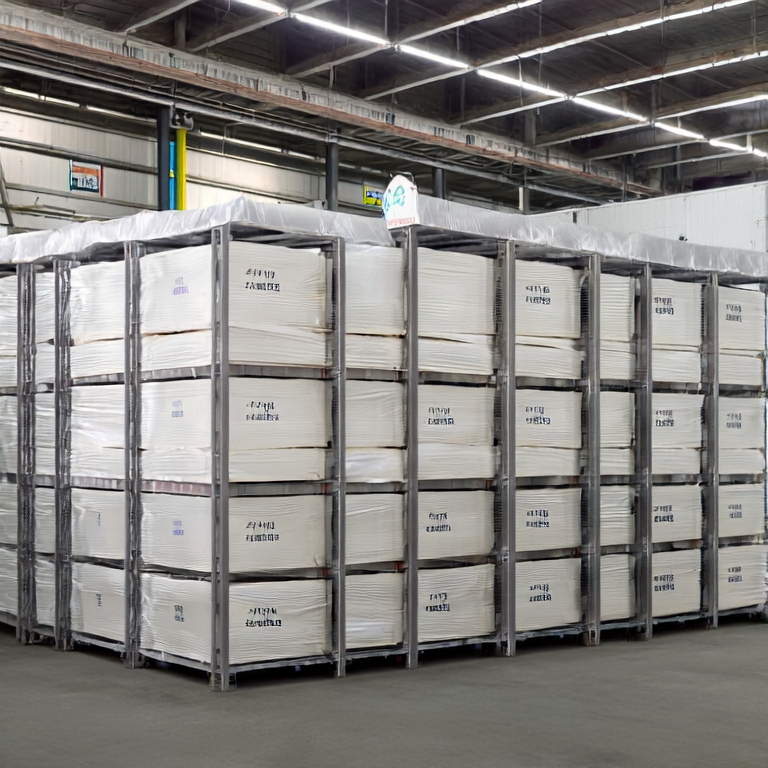
To store refractories before installation, **keep them in a dry, temperature-controlled area**. Avoid direct sunlight and damp conditions. Ensure proper stacking and handling to prevent damage.
1. Choose the Right Storage Location
Storing refractories requires a specific environment.
1.1 Dry and Cool
Refractories must be stored in a dry place. High humidity can cause them to absorb moisture.
1.2 Temperature Control
A cool area ensures temperature stability, preventing thermal shock when they are later installed.
2. Proper Handling Techniques
How you handle refractories affects their condition.
2.1 Use Protective Gear
When moving refractories, wear gloves to protect your hands. This also prevents introducing oils and dirt.
2.2 Avoid Dropping
Careful handling prevents cracks and chips. Even a small damage can affect performance.
3. Stacking Method
Stack refractories properly to avoid damage.
3.1 Use Pallets
Pallets can elevate refractories off the ground, preventing moisture contact.
3.2 Leave Space Between Layers
Avoid stacking them tightly. Space between layers allows airflow, which reduces moisture.
4. Protect from External Factors
External factors can harm refractories.
4.1 Cover with Tarps
If storage is outdoors, covering with tarps protects against rain and sun.
4.2 Block Wind and Dust
Wind-blown dust can scratch refractories. Use barriers to block winds from entering storage areas.
5. Regular Inspection
Inspect refractories regularly to ensure they are in good condition.
5.1 Check for Moisture
Regularly check for signs of moisture accumulation and take corrective action.
5.2 Examine for Damage
Look for cracks and chips that may have developed during storage.
Conclusion
Storing refractories before installation is crucial for their longevity and performance. Proper storage conditions including a dry area, careful handling, and protection from environmental factors will ensure refractories remain effective. Following these guidelines keeps them in great shape for use in your next project.
FAQ
Q: Why is moisture bad for refractories?
A: Moisture can lead to degradation, reducing their strength and functionality.
Q: Can I store refractories outside?
A: If stored outside, ensure they are covered and elevated to protect from moisture and direct sunlight.
Q: How often should I inspect stored refractories?
A: Inspect them at least once a month to catch any issues early.
Q: What should I do if I find damaged refractories?
A: Remove and replace any damaged refractories before installation to avoid issues.
Q: Is it necessary to use pallets for storage?
A: Using pallets is recommended as they help to keep refractories dry and prevent direct ground contact.
Q: How should I stack refractories?
A: Stack them neatly with space between layers to allow for airflow and to prevent damage.


