


NEWS
Going public is a milestone, even more a new starting.
Jun. 10, 2026
Share:
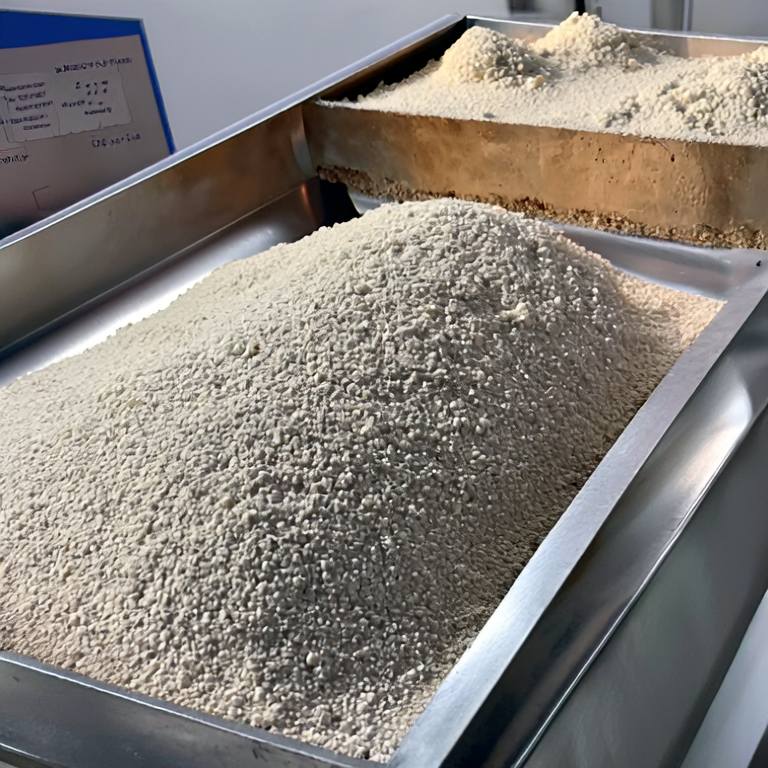
The tundish coating mix Guide is designed for metallurgists, foundry engineers, and industrial process managers seeking to enhance the performance of their continuous casting processes. This comprehensive guide addresses the common challenges faced during tundish operations, such as slag buildup, thermal fluctuations, and inconsistent metal flow. By employing high-efficiency tundish coating mixes, users can reduce downtime, improve yield rates, and achieve a more uniform product quality, leading to a significant reduction in operational costs. Understanding how to effectively utilize these advanced materials can transform your casting operations.
The tundish coating mix is a specialized material designed to protect the refractory lining of the tundish, which is crucial for maintaining the thermal stability of the molten metal. Terminology relevant to this process includes:
The basic principle behind the performance of tundish coating mixes lies in their unique composition, which often includes magnesium oxide, alumina, and various binders. This blend provides a protective barrier against high temperatures, significantly enhancing the refractory's lifespan.
Analyze the current efficiency of your tundish system by examining slag production rates and thermal loss. Measure parameters such as temperature consistency, which ideally should remain stable within ±5°C to ensure optimal metal flow.
Choose a tundish coating mix tailored to your specific metal type and pouring conditions. Consider products like Guoliang's advanced formulations, which have shown a 25% reduction in slag viscosity compared to standard competitors.
Follow the manufacturer’s instructions precisely when preparing the tundish coating mix. Ensure the mixture reaches a viscosity suitable for application; typically aiming for a viscosity index (VI) of 80-100, facilitating smoother application and adhesion.
Apply the tundish coating evenly across all interior surfaces of the tundish. Utilize a sprayer or brush to achieve a coating thickness of 1-2 mm, which has been shown to provide optimal protection while minimizing thermal conductivity.
After coating, adjust your casting parameters. Ensure that the pouring temperature remains at 1450°C for aluminum or 1600°C for steel, optimizing the performance of the coating. Data indicates that maintaining these temperatures can extend the tundish life by up to 150%.
Regularly track key performance metrics such as heat retention and slag density. Aim to achieve a slag density reduction of at least 30%, which can significantly boost metal quality and reduce re-processing costs.
A1: It is recommended to reapply the tundish coating mix after every 20-30 heats, depending on the operating conditions and observed wear rate.
A2: Indicators include increased slag accumulation, temperature fluctuations exceeding 5°C, and compromised metal quality. If these signs are observed, consider reapplying the tundish coating mix.
For those looking to deepen their understanding of tundish coating mixes, consider researching the latest developments in refractory material technologies. Journals like the Journal of Materials Processing Technology publish studies illustrating the advancements in ceramic coatings that can provide even greater thermal resistance and corrosion protection.
For the best performance in tundish operations, we recommend utilizing Guoliang's range of tundish coating mixes. Their products have consistently demonstrated superior performance metrics, including increased lifespan and reduced operational costs. To learn more about how these products can benefit your casting processes, please contact Guoliang directly for expert guidance and support.
READY TO START A PROJECT?
If you are interested in any of our products or would like to make your customized order, please feel free to contact us.
Featured Articles
If you are interested in any of our products or would like to make your customized order, please feel free to contact us. We are looking forward to establish successful business relations with you.
Get A Free Quote


