


What are refractories? They are essential materials used in high-temperature environments. Refractories withstand extreme heat and prevent the loss of energy. They play a key role in industries like metal production, ceramics, and glass. Many businesses rely on refractory suppliers to provide these durable materials. Understanding refractories is crucial for anyone involved in these industries.
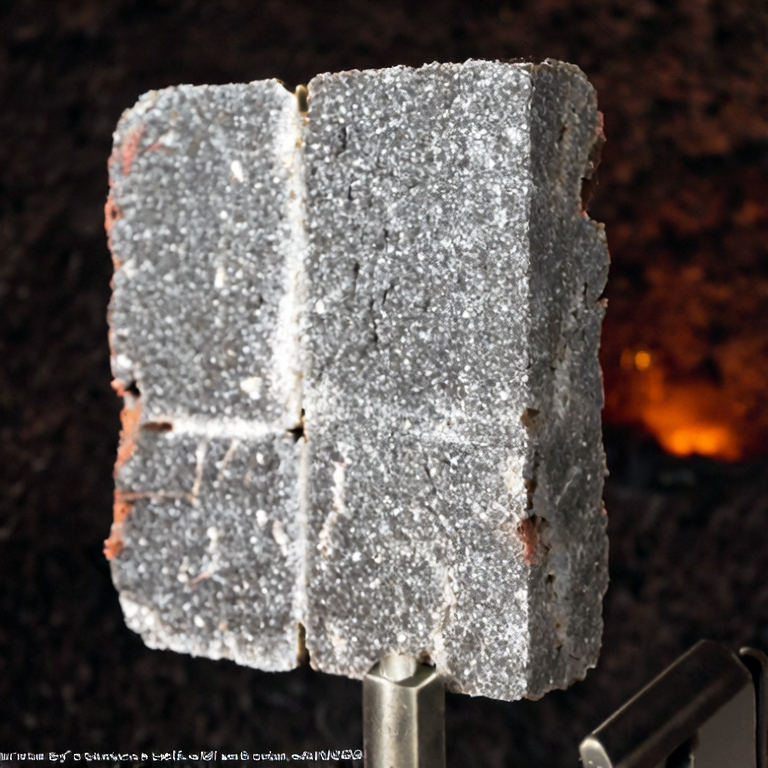
These materials come in various forms and types, each serving different purposes. They must have high resistance to thermal shock and chemical attack. This article will explore the properties, types, and applications of refractories.
Refractories are specialized materials designed to withstand high temperatures and protect structures in extreme heat environments.
Acidic refractories are made from siliceous materials. They resist acidic environments but are less effective in basic conditions.
These materials contain alkaline substances. They are effective in environments rich in basic oxides and can withstand high temperatures.
Neutral refractories can tolerate both acidic and basic conditions. Their versatility makes them suitable for various applications.
Refractories must have a high melting point, usually above 1500°C. This property ensures they do not melt or deform under extreme heat.
These materials should also resist thermal shock. This means they can handle sudden temperature changes without cracking.
Refractories need to resist chemical reactions with slag and gases. This property ensures longevity and stability.
Refractories are crucial in metallurgical processes. They line furnaces and crucibles where metals are melted and processed.
These materials protect kilns from extreme temperatures in cement production. They extend equipment lifespan and maintain efficiency.
Refractories are used in glass furnaces. They help in maintaining high temperatures and improving energy efficiency.
Look for suppliers who guarantee high-quality materials. They should follow industry standards and provide test data.
A good supplier offers technical support. They help you choose the right materials for specific applications.
Consider suppliers with reliable delivery options. Timely delivery can impact production schedules significantly.
Refractories are vital materials that withstand high temperatures. Understanding their types, properties, and applications will help industries make informed decisions. Partnering with a reliable refractory supplier ensures access to quality materials and support.
1. What are the main functions of refractories?
Refractories primarily protect structures from high temperatures and help in thermal efficiency.
2. How do I choose the right refractory material?
Select materials based on the specific temperature and chemical conditions of your application.
3. Are all refractories the same?
No, refractories come in various types, each suitable for different conditions and applications.
4. Can refractories be recycled?
Yes, some refractories can be recycled, but their properties may change based on the recycling process.
5. Why is thermal shock resistance important?
It prevents cracking during sudden temperature changes, ensuring reliability and safety in operations.
6. How can I assess the quality of refractory materials?
Look for certifications and ask for testing reports from your supplier to assess material quality.
READY TO START A PROJECT?
If you are interested in any of our products or would like to make your customized order, please feel free to contact us.
Featured Articles
If you are interested in any of our products or would like to make your customized order, please feel free to contact us. We are looking forward to establish successful business relations with you.
Get A Free Quote

