Home / News / What are the characteristics of a good refractory?

What are the characteristics of a good refractory?

Introduction

Refractories play a critical role in various industries. A good refractory can withstand extreme temperatures and harsh conditions. But, what exactly makes a refractory effective? Ideally, it should possess certain key characteristics. These include high thermal stability, low thermal conductivity, and resistance to chemical corrosion. Understanding these features can help businesses select the right refractory supplier. This decision can impact their production efficiency and safety.
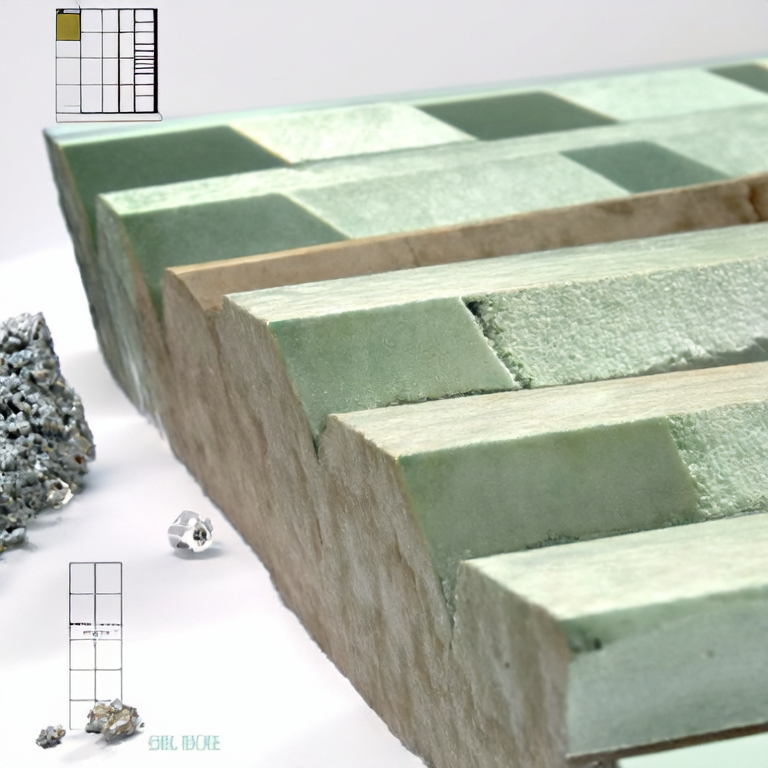
What are the characteristics of a good refractory?

Summary Answer

A good refractory should have high temperature resistance, low thermal conductivity, and chemical stability. These characteristics ensure that it performs well in extreme environments. Choosing the right refractory will improve operational efficiency and safety in high-temperature processes.

1. Key Characteristics of a Good Refractory

  1. High Temperature Resistance
    The primary feature of a quality refractory is its ability to withstand high temperatures.

    Examples:

    • Refractories often have a melting point above 1500°C.
    • Some advanced materials can handle even higher temperatures.
  2. Low Thermal Conductivity
    A good refractory should limit heat transfer. This property is essential for energy efficiency in industrial settings.

    Comparison Table:

    Material Thermal Conductivity (W/m·K)
    Fire Clay 1.25
    Silica 1.0
    Metallic 50-100
  3. Chemical Resistance
    Refractories must resist various chemicals. This ensures they remain intact in harsh operating conditions.

    Data Insights:

    • Over 70% of refractory failures occur due to chemical attack.
    • Selecting the right refractory can reduce failure rates significantly.
  4. Thermal Shock Resistance
    Good refractories can handle sudden temperature changes without cracking.

    Case Study:

    • In one instance, a steel manufacturer saved 20% in maintenance costs by using high-quality thermal shock-resistant refractories.
  5. Durability and Longevity
    The lifespan of a refractory is crucial for minimizing downtime and maintenance.

    Step-by-Step Flow Chart:

    1. Select refractory material based on application.
    2. Install correctly to reduce wear.
    3. Monitor conditions regularly.
    4. Replace as needed to maintain performance.
  6. Cost-Effectiveness
    A good refractory should provide long-term cost savings. Investing in high-quality materials can lead to decreased failure rates and maintenance costs.

    Figures:

    • Businesses may experience up to a 30% increase in their operational efficiency.

Conclusion

The characteristics of a good refractory include high temperature resistance, low thermal conductivity, and chemical stability. These factors are essential for efficient industrial processes. Businesses must choose the right refractory supplier to ensure they receive materials that meet these vital standards. A sound investment in quality refractories guarantees improved safety and productivity.

FAQ

  1. What are refractories used for?
    Refractories are used in industries that require materials to withstand high temperatures, such as steel and glass manufacturing.

  2. How do I choose a refractory supplier?
    Consider quality, reliability, cost, and customer reviews before selecting a supplier.

  3. Can refractories be recycled?
    Yes, some refractory materials can be recycled, helping to reduce waste and costs.

  4. What is the melting point of common refractories?
    Most common refractories have melting points above 1500°C, while advanced options can endure even higher temperatures.

  5. Why is chemical resistance important for refractories?
    Chemical resistance prevents damage from reactive materials, ensuring longer service life and lower failure rates.

  6. How often should refractories be replaced?
    Replacement frequency depends on usage and material type but should be evaluated regularly to maintain efficiency.

READY TO START A PROJECT?

If you are interested in any of our products or would like to make your customized order, please feel free to contact us. We are looking forward to establish successful business relations with you.

Get A Free Quote

  • Afghanistan
  • Albania
  • Algeria
  • American Samoa
  • Andorra
  • Angola
  • Anguilla
  • Antarctica
  • Antigua and Barbuda
  • Argentina
  • Armenia
  • Aruba
  • Australia
  • Austria
  • Azerbaijan
  • Bahamas
  • Bahrain
  • Bangladesh
  • Barbados
  • Belarus
  • Belgium
  • Belize
  • Benin
  • Bermuda
  • BBhutan
  • Bolivia
  • Bosnia and Herzegovina
  • Botswana
  • Bouvet Island
  • Brazil
  • British Indian Ocean Territory
  • Brunei Darussalam
  • Bulgaria
  • Burkina Faso
  • Burundi
  • Cambodia
  • Cameroon
  • Canada
  • Cape Verde
  • Cayman Islands
  • Central African Republic
  • Chad
  • Chile
  • China
  • Christmas Island
  • Cocos (Keeling) Islands
  • Colombia
  • Comoros
  • Congo
  • Cook Islands
  • Costa Rica
  • Cote D'Ivoire
  • Croatia
  • Cuba
  • Cyprus
  • Czech Republic
  • Denmark
  • Djibouti
  • Dominica
  • East Timor
  • Ecuador
  • Egypt
  • El Salvador
  • Equatorial Guinea
  • Eritrea
  • Estonia
  • Ethiopia
  • Falkland Islands (Malvinas)
  • Faroe Islands
  • Fiji
  • Finland
  • France, Metropolitan
  • French Guiana
  • French Polynesia
  • Gabon
  • Gambia
  • Georgia
  • Germany
  • Ghana
  • Gibraltar
  • Greece
  • Greenland
  • Grenada
  • Guadeloupe
  • Guam
  • Guatemala
  • Guinea
  • Guinea-Bissau
  • Guyana
  • Haiti
  • Honduras
  • Hong Kong, China
  • Hungary
  • Iceland
  • India
  • Indonesia
  • Iran (Islamic Republic of)
  • Iraq
  • Ireland
  • Israel
  • Italy
  • Jamaica
  • Japan
  • Jordan
  • Kazakhstan
  • Kenya
  • Kiribati
  • North Korea
  • South Korea
  • Kuwait
  • Kyrgyzstan
  • Lao People's Democratic Republic
  • Latvia
  • Lebanon
  • Lesotho
  • Liberia
  • Libyan Arab Jamahiriya
  • Liechtenstein
  • Lithuania
  • Luxembourg
  • Macau
  • Madagascar
  • Malawi
  • Malaysia
  • Maldives
  • Mali
  • Malta
  • Marshall Islands
  • Martinique
  • Mauritania
  • Mauritius
  • Mayotte
  • Mexico
  • Micronesia
  • Moldova
  • Monaco
  • Mongolia
  • Montserrat
  • Morocco
  • Mozambique
  • Myanmar
  • Namibia
  • Nauru
  • Nepal
  • Netherlands
  • New Caledonia
  • New Zealand
  • Nicaragua
  • Niger
  • Nigeria
  • Niue
  • Norfolk Island
  • Northern Mariana Islands
  • Norway
  • Oman
  • Pakistan
  • Palau
  • Panama
  • Papua New Guinea
  • Paraguay
  • Peru
  • Philippines
  • Pitcairn
  • Poland
  • Portugal
  • Puerto Rico
  • Qatar
  • Reunion
  • Romania
  • Russian Federation
  • Rwanda
  • Saint Kitts and Nevis
  • Saint Lucia
  • Saint Vincent and the Grenadines
  • Samoa
  • San Marino
  • Saudi Arabia
  • Senegal
  • Seychelles
  • Sierra Leone
  • Singapore
  • Slovak Republic
  • Slovenia
  • Solomon Islands
  • Somalia
  • South Africa
  • Spain
  • Sri Lanka
  • St. Helena
  • Sudan
  • Suriname
  • Swaziland
  • Sweden
  • Switzerland
  • Syrian Arab Republic
  • Taiwan, China
  • Tajikistan
  • Tanzania
  • Thailand
  • Togo
  • Tokelau
  • Tonga
  • Trinidad and Tobago
  • Tunisia
  • Turkey
  • Turkmenistan
  • Turks and Caicos Islands
  • Tuvalu
  • Uganda
  • Ukraine
  • United Arab Emirates
  • United Kingdom
  • United States
  • Uruguay
  • Uzbekistan
  • Vanuatu
  • Vatican City State (Holy See)
  • Venezuela
  • Viet Nam
  • Virgin Islands (U.S.)
  • Wallis and Futuna Islands
  • Western Sahara
  • Yemen
  • Zambia
  • Zimbabwe
  • Montenegro
  • Serbia
  • Palestine
  • South Sudan
  • Jersey
0.174915s