Home / News / What Causes Refractory Spalling in Steel Plants

What Causes Refractory Spalling in Steel Plants

Introduction

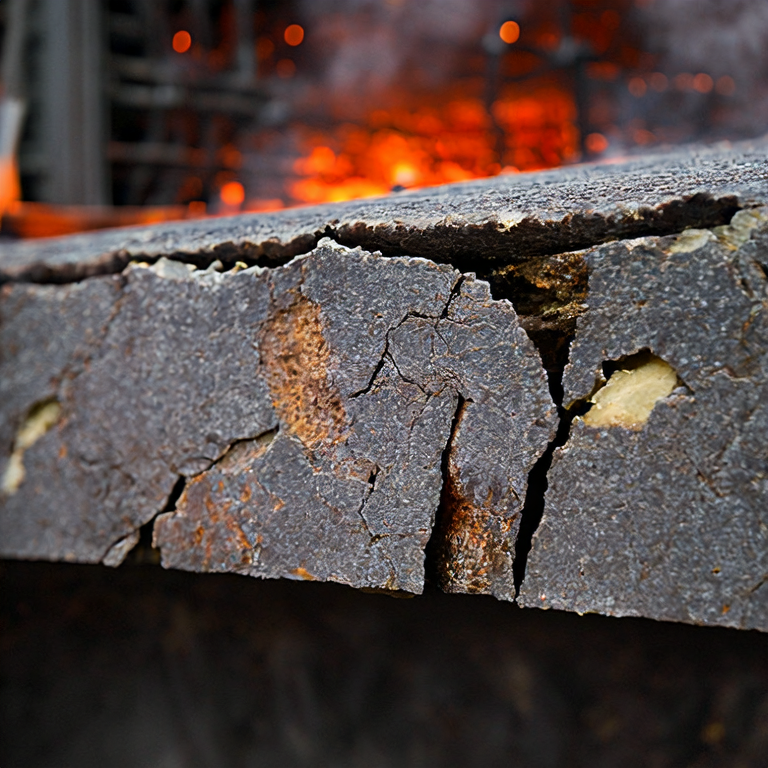
Refractory spalling in steel plants is a significant issue that can lead to production losses and increased costs. Understanding the causes of this problem is crucial for effective maintenance and management. Several factors contribute to refractory spalling, including thermal shock, chemical attacks, and mechanical stress. By identifying these causes, steel plants can take proactive measures to reduce damage to their refractories.
What Causes Refractory Spalling in Steel Plants

Summary Answer

**The primary causes of refractory spalling in steel plants include temperature fluctuations, chemical interactions, and physical pressures acting on the refractory materials.** By addressing these issues, plants can significantly enhance the lifespan of their refractories.

1. Temperature Fluctuations

Thermal Shock Effects

Refractories in steel plants often face rapid temperature changes. When hot materials come into contact with cooler surfaces, it results in thermal shock. This can lead to cracks and spalling over time.

2. Chemical Attacks

Impact of Steel Production Chemicals

During steel production, certain chemicals can interact with the refractory materials. This chemical attack can weaken the structure of the refractories, resulting in spalling. For example, high levels of sulfur can be detrimental.

3. Mechanical Stress

Physical Forces on Refractories

Refractories are subjected to various mechanical stresses during operation. These stresses can come from the movement of materials, equipment vibrations, or thermal expansion. As these forces accumulate, they can push refractories beyond their limits, causing spalling.

4. Material Quality

Importance of High-Quality Refractories

The quality of refractory materials plays a critical role in their durability. Poor quality or improperly installed materials are more susceptible to damage from spalling. Steel plants should invest in high-quality refractories to ensure optimal performance.

5. Installation Techniques

Proper Installation Practices

Improper installation can lead to weak points in refractories. Regular inspections during and after installation can prevent future spalling. Adopting best practices in installation can enhance the overall resilience of the refractory linings.

Conclusion

In conclusion, refractory spalling in steel plants is mainly caused by temperature fluctuations, chemical attacks, and mechanical stresses. By understanding these factors, steel manufacturers can implement effective strategies to mitigate damage, ensuring longevity and efficiency of their operations. Investing in high-quality materials and proper installation will greatly benefit steel plants in the long run.

FAQ

What is refractory spalling?

Refractory spalling refers to the cracking and flaking that occurs in refractory materials due to stress, temperature changes, or chemical corrosion.

How can steel plants prevent refractory spalling?

Steel plants can prevent spalling by controlling temperature fluctuations, using high-quality materials, and ensuring proper installation practices.

What are the long-term effects of refractory spalling?

Long-term effects of refractory spalling include increased maintenance costs, production downtime, and reduced efficiency in steel production.

Are there specific materials that are more resistant to spalling?

Certain advanced materials and formulations are designed to be more resistant to spalling, specifically tailored for high-temperature applications in steel production.

How often should refractories be inspected?

It is recommended to inspect refractories regularly, ideally every shutdown period or during planned maintenance, to catch any signs of spalling early.

Can spalling be repaired?

Yes, spalling can often be repaired. However, the effectiveness of the repair depends on the extent of the damage and the quality of the repair materials used.

READY TO START A PROJECT?

If you are interested in any of our products or would like to make your customized order, please feel free to contact us. We are looking forward to establish successful business relations with you.

Get A Free Quote

  • Afghanistan
  • Albania
  • Algeria
  • American Samoa
  • Andorra
  • Angola
  • Anguilla
  • Antarctica
  • Antigua and Barbuda
  • Argentina
  • Armenia
  • Aruba
  • Australia
  • Austria
  • Azerbaijan
  • Bahamas
  • Bahrain
  • Bangladesh
  • Barbados
  • Belarus
  • Belgium
  • Belize
  • Benin
  • Bermuda
  • BBhutan
  • Bolivia
  • Bosnia and Herzegovina
  • Botswana
  • Bouvet Island
  • Brazil
  • British Indian Ocean Territory
  • Brunei Darussalam
  • Bulgaria
  • Burkina Faso
  • Burundi
  • Cambodia
  • Cameroon
  • Canada
  • Cape Verde
  • Cayman Islands
  • Central African Republic
  • Chad
  • Chile
  • China
  • Christmas Island
  • Cocos (Keeling) Islands
  • Colombia
  • Comoros
  • Congo
  • Cook Islands
  • Costa Rica
  • Cote D'Ivoire
  • Croatia
  • Cuba
  • Cyprus
  • Czech Republic
  • Denmark
  • Djibouti
  • Dominica
  • East Timor
  • Ecuador
  • Egypt
  • El Salvador
  • Equatorial Guinea
  • Eritrea
  • Estonia
  • Ethiopia
  • Falkland Islands (Malvinas)
  • Faroe Islands
  • Fiji
  • Finland
  • France, Metropolitan
  • French Guiana
  • French Polynesia
  • Gabon
  • Gambia
  • Georgia
  • Germany
  • Ghana
  • Gibraltar
  • Greece
  • Greenland
  • Grenada
  • Guadeloupe
  • Guam
  • Guatemala
  • Guinea
  • Guinea-Bissau
  • Guyana
  • Haiti
  • Honduras
  • Hong Kong, China
  • Hungary
  • Iceland
  • India
  • Indonesia
  • Iran (Islamic Republic of)
  • Iraq
  • Ireland
  • Israel
  • Italy
  • Jamaica
  • Japan
  • Jordan
  • Kazakhstan
  • Kenya
  • Kiribati
  • North Korea
  • South Korea
  • Kuwait
  • Kyrgyzstan
  • Lao People's Democratic Republic
  • Latvia
  • Lebanon
  • Lesotho
  • Liberia
  • Libyan Arab Jamahiriya
  • Liechtenstein
  • Lithuania
  • Luxembourg
  • Macau
  • Madagascar
  • Malawi
  • Malaysia
  • Maldives
  • Mali
  • Malta
  • Marshall Islands
  • Martinique
  • Mauritania
  • Mauritius
  • Mayotte
  • Mexico
  • Micronesia
  • Moldova
  • Monaco
  • Mongolia
  • Montserrat
  • Morocco
  • Mozambique
  • Myanmar
  • Namibia
  • Nauru
  • Nepal
  • Netherlands
  • New Caledonia
  • New Zealand
  • Nicaragua
  • Niger
  • Nigeria
  • Niue
  • Norfolk Island
  • Northern Mariana Islands
  • Norway
  • Oman
  • Pakistan
  • Palau
  • Panama
  • Papua New Guinea
  • Paraguay
  • Peru
  • Philippines
  • Pitcairn
  • Poland
  • Portugal
  • Puerto Rico
  • Qatar
  • Reunion
  • Romania
  • Russian Federation
  • Rwanda
  • Saint Kitts and Nevis
  • Saint Lucia
  • Saint Vincent and the Grenadines
  • Samoa
  • San Marino
  • Saudi Arabia
  • Senegal
  • Seychelles
  • Sierra Leone
  • Singapore
  • Slovak Republic
  • Slovenia
  • Solomon Islands
  • Somalia
  • South Africa
  • Spain
  • Sri Lanka
  • St. Helena
  • Sudan
  • Suriname
  • Swaziland
  • Sweden
  • Switzerland
  • Syrian Arab Republic
  • Taiwan, China
  • Tajikistan
  • Tanzania
  • Thailand
  • Togo
  • Tokelau
  • Tonga
  • Trinidad and Tobago
  • Tunisia
  • Turkey
  • Turkmenistan
  • Turks and Caicos Islands
  • Tuvalu
  • Uganda
  • Ukraine
  • United Arab Emirates
  • United Kingdom
  • United States
  • Uruguay
  • Uzbekistan
  • Vanuatu
  • Vatican City State (Holy See)
  • Venezuela
  • Viet Nam
  • Virgin Islands (U.S.)
  • Wallis and Futuna Islands
  • Western Sahara
  • Yemen
  • Zambia
  • Zimbabwe
  • Montenegro
  • Serbia
  • Palestine
  • South Sudan
  • Jersey
0.171935s