


NEWS
Going public is a milestone, even more a new starting.
Jun. 15, 2026
Share:
Magnesia carbon (MgO-C) bricks are crucial in steel ladles, but they can experience cracking issues that impact their performance and lifespan. Understanding the reasons behind these cracks can help manufacturers and users improve efficiency and reduce costs. This article explores the main factors contributing to MgO-C brick cracking in steel ladles, the science behind it, and possible solutions.
Steel ladles are subjected to extreme temperature fluctuations. The thermal dynamics foster conditions that make MgO-C bricks susceptible to cracking. The following aspects contribute:
MgO-C bricks may experience rapid temperature changes during the ladle's operation.
Inadequate thermal conductivity of the brick increases temperature gradients, leading to stress.
The mechanical stress faced by the bricks can also contribute to cracking. Key considerations include:
Heavy steel pouring operations can exert significant forces on the bricks.
Inadequate support can lead to uneven loading and subsequent cracking.
The chemical makeup of MgO-C bricks can influence their integrity and resistance to cracking.
Impurities can affect the melting point and increase fragility.
Chemical reactions between the bricks and slag can lead to degradation.
Over time, MgO-C bricks can deteriorate due to various environmental factors.
Oxidation processes can weaken the structural integrity of the bricks.
Changes at the micro-level can lead to cracks developing, particularly in high-stress areas.
The quality during the manufacturing process can also contribute to crack formation in MgO-C bricks.
Variances in the ratio of magnesia and carbon can cause weaknesses.
Inadequate curing can lead to poor mechanical properties, increasing the likelihood of cracking.
| Factor | Impact Level | Solution Approaches |
|---|---|---|
| Thermal Shock | High | Improve thermal management techniques. |
| Mechanical Stress | Medium | Optimize support during operations. |
| Chemical Reactions | High | Use advanced compositions with lower impurity levels. |
| Aging Effects | Medium | Regular inspections and maintenance. |
| Manufacturing Defects | High | Strict quality control during production. |
To visualize the steps further, see the flow chart below illustrating the maintenance process in a steel ladle environment:
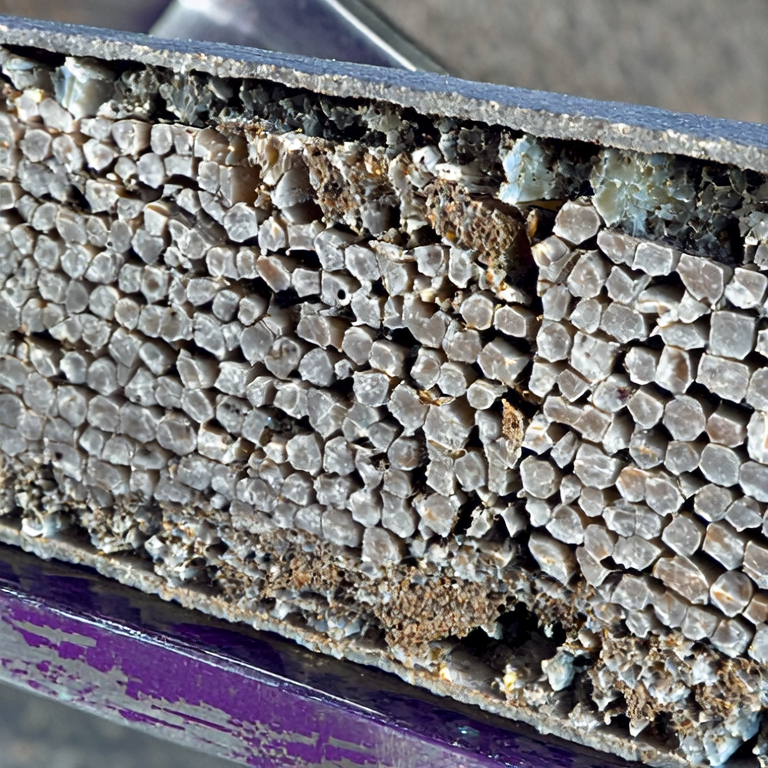
In summary, MgO-C bricks are essential for steel ladles, but they face various challenges that can lead to cracking. By understanding these causes, manufacturers and users can take proactive steps to reduce risks, improve durability, and ensure better performance of MgO-C bricks in demanding applications like steel production.
READY TO START A PROJECT?
If you are interested in any of our products or would like to make your customized order, please feel free to contact us.
Featured Articles
If you are interested in any of our products or would like to make your customized order, please feel free to contact us. We are looking forward to establish successful business relations with you.
Get A Free Quote


