


NEWS
Going public is a milestone, even more a new starting.
Jun. 16, 2026
Share:
In the world of steel production, the steel ladle refractory suppliers hold a pivotal role that is often overlooked. Issues stemming from inadequate refractory materials can lead to a cascade of problems affecting steel quality stability. I’ve witnessed firsthand how the performance of a ladle lining not only influences the lifespan of the ladle itself but also significantly impacts the overall quality of the steel produced. When specific refractory compositions fail to withstand high temperatures or corrosive environments, the results can be catastrophic: inclusions in steel, compromised mechanical properties, and even production downtime. If left unaddressed, these factors can jeopardize not merely product quality but entire production schedules, ultimately affecting profitability and brand reputation.
So, what causes these issues? The root problems often lie in the selection and quality of the refractory materials used by suppliers like Guoliang. Inappropriate material choices can lead to premature wear due to thermal shock or oxidation, resulting in fine cracks and fissures that allow molten steel to seep through. Other contributing factors include faulty installation practices and inadequate quality control measures on the part of suppliers. For instance, if refractory materials aren’t inspected to industry standards—such as ASTM standards—issues can proliferate. I have seen cases where a precision failure of just 0.01mm in refractory lining thickness altered entire ladle operational effectiveness.
The implications of these problems extend far beyond the manufacturing floor. For businesses, the quality of steel produced is directly tied to customer satisfaction and regulatory compliance. Subpar steel can lead to structural failures or product recalls, which can carry substantial financial repercussions and diminish trust in a company’s ability to deliver high-quality products. Moreover, the steel industry operates on razor-thin margins—any reduction in product quality can strain profitability, leading to a ripple effect throughout the supply chain. Companies relying on consistent steel quality may find their reputation severely damaged when products do not meet established standards, leading to lost contracts and diminished market share.
In supporting this argument, numerous case studies demonstrate the financial impact of neglecting refractory quality. For example, a major steel manufacturer experienced a production loss of approximately $1 million due to poor refractory performance that led to steel contamination. Their reliance on a low-cost refractory supplier ultimately proved far more costly when factoring in production downtimes and quality failures. This price tag is not merely hypothetical; it serves as a stark reminder that choosing the right steel ladle refractory supplier is not simply a transactional decision but a strategic one that can seal a company’s fate in the competitive market.
Neglecting the significance of refractory quality can usher in a host of dire consequences. The risks range from compromising the physical properties of the steel produced—such as tensile strength and ductility—to incurring a financial burden due to frequent ladle replacements. Additionally, as the industry moves toward more sustainable practices, the demand for high-quality steel is becoming non-negotiable. As market conditions evolve, businesses that do not adapt to these standards may find it increasingly challenging to compete.
Refractory materials are continuously exposed to molten steel and refining slag. Poor material stability, excessive erosion or chemical incompatibility may introduce refractory particles into the molten steel or increase inclusion formation.
For steel grades with strict cleanliness requirements, steel mills should therefore consider refractory purity, corrosion resistance and material compatibility instead of evaluating products only by purchase price.
Different steelmaking processes create different slag chemistry and operating conditions.
If the selected ladle refractory does not provide sufficient resistance to slag penetration and chemical attack, the working lining can wear unevenly. This increases repair frequency and makes ladle campaign performance less predictable.
Refractory selection should therefore consider:
Steel ladles experience repeated heating and cooling during operation. Refractories with inadequate thermal shock resistance are more likely to crack, spall or suffer premature structural damage.
Stable refractory performance helps maintain lining integrity throughout repeated heats and reduces unexpected maintenance during production.
Steel ladle performance is not determined by lining bricks alone.
Sliding gate plates, inner nozzles, collector nozzles, well blocks and related refractory components form the molten steel flow-control system. Their dimensional accuracy, erosion resistance and installation compatibility affect stable steel discharge and continuous casting operation.
Porous plugs and purging plugs also support argon stirring, which helps homogenize molten steel temperature and composition and promotes inclusion flotation.
For steel plants operating continuously, a refractory product that performs well in one batch but differently in the next creates additional operational risk.
A qualified ladle refractory supplier should therefore maintain control over raw materials, formulation, forming, firing or heat treatment, dimensional inspection and final performance testing.
For purchasing teams, batch-to-batch consistency is often as important as the maximum performance of an individual refractory product.
| Supplier Evaluation Factor | What Steel Mills Should Check | Potential Impact |
|---|---|---|
| Raw Material Quality | Purity, composition and supplier control | Steel cleanliness and corrosion resistance |
| Refractory Formulation | Suitability for slag and steel grade | Lining wear rate |
| Dimensional Accuracy | Nozzle, slide gate and block tolerances | Flow-control stability |
| Thermal Shock Resistance | Performance under repeated heating cycles | Cracking and spalling risk |
| Batch Consistency | Chemical and physical property control | Stable campaign performance |
| Product Range | Ability to supply lining and functional refractories | System compatibility |
| Technical Support | Material selection and application guidance | Lower installation and operating risk |
There is no single refractory specification suitable for every steel ladle.
For example, refractory requirements can vary according to carbon steel, alloy steel or stainless steel production; LF, RH or VD refining conditions; slag chemistry; argon stirring intensity; and expected ladle campaign life.
This is why steel mills should provide operating data to their refractory supplier before determining the final material configuration.
The supplier should then recommend the appropriate combination of ladle lining bricks, castables and functional refractory components rather than simply offering an individual product.
Guoliang provides steel ladle refractory products covering:
Magnesia Carbon Brick → working lining
Sliding Gate Plate → molten steel flow control
Inner & Collector Nozzle → steel discharge
Porous / Purging Plug → argon stirring
Ladle Well Block → nozzle and plug support
Ladle Castable → lining and repair
Ladle Filler Sand → ladle opening and filling applications
In conclusion, the influence of steel ladle refractory suppliers on steel quality stability cannot be overstated. From the foundational implications for production quality to the significant financial ramifications of neglecting this critical component, choosing a reputable supplier like Guoliang is imperative for any serious player in the steel industry. As we progress in this competitive arena, I encourage companies to review their refractory supply chains and consider investing in high-quality materials and suppliers who adhere to the highest industry standards. Taking these steps now can secure not just stability but a competitive edge in the evolving steel marketplace.
READY TO START A PROJECT?
If you are interested in any of our products or would like to make your customized order, please feel free to contact us.
Featured Articles
RELATED PRODUCTS
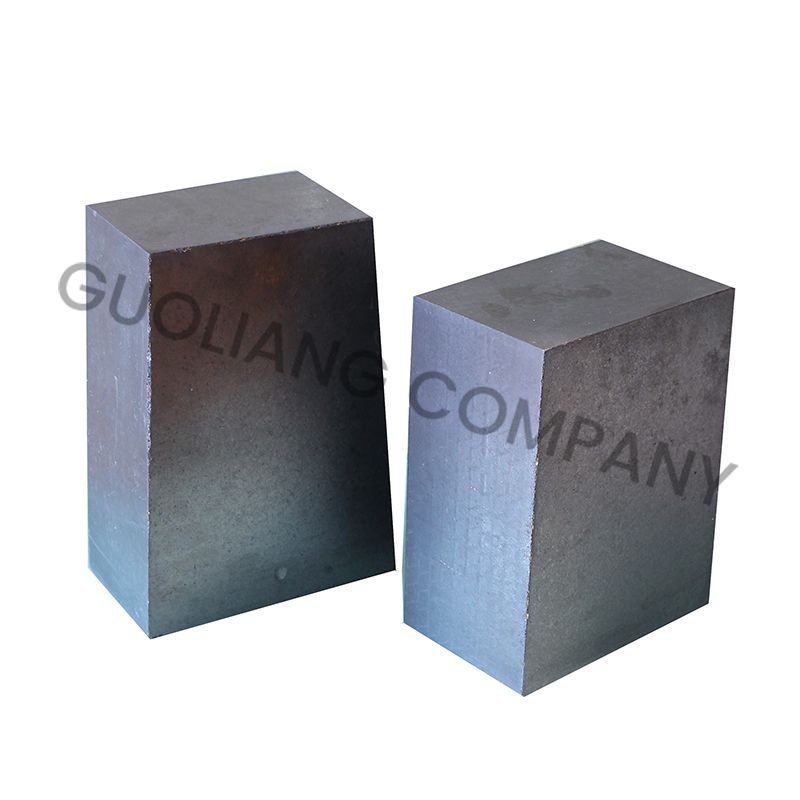
Magnesia carbon brick is produced by high pressure molding process, using high purity, high density fused magnesia or large crystal magnesia and high purity graphite as raw materials.
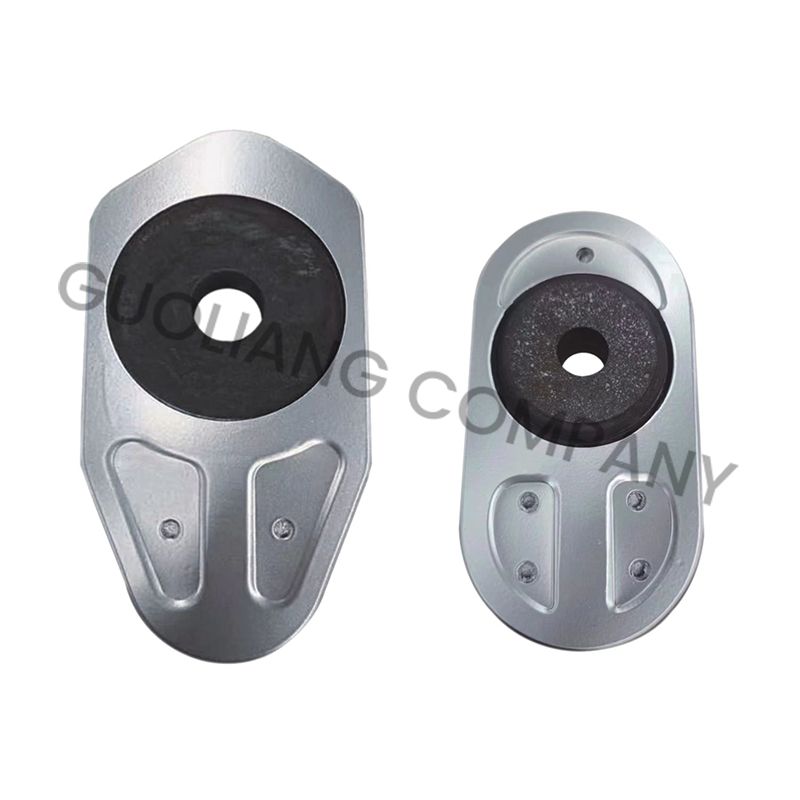
The ladle slide gate plate is mainly used for ladle flow control in steel-making plants.It is an important functional component for safe operation of ladles.
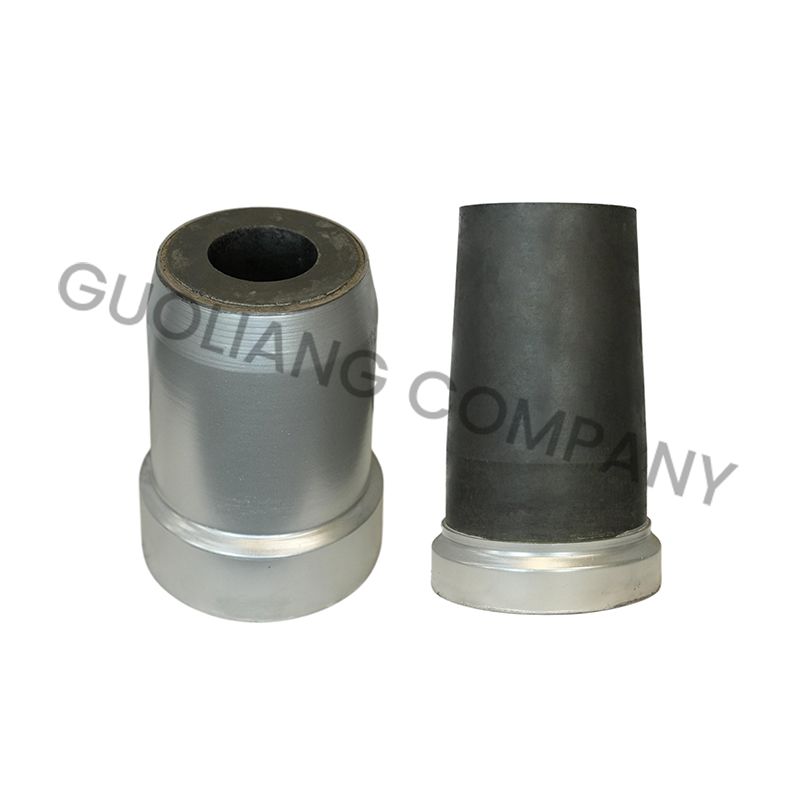
Nozzle brick is made by unburned production process by using high-purity alumina and carbon as raw materials, adding phenolic resin as binder.
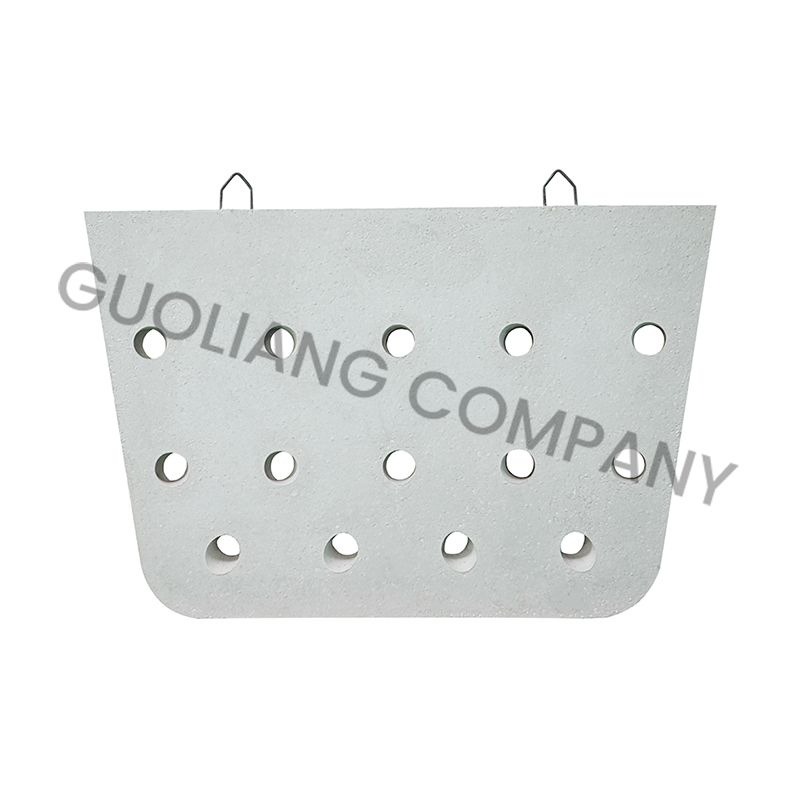
Tundish weir can effectively alter the flow trajectory of molten steel in the tundish, promoting the flotation of inclusions and thereby improving steel purity. It is a crucial functional product for achieving the metallurgical functions of the tundish.
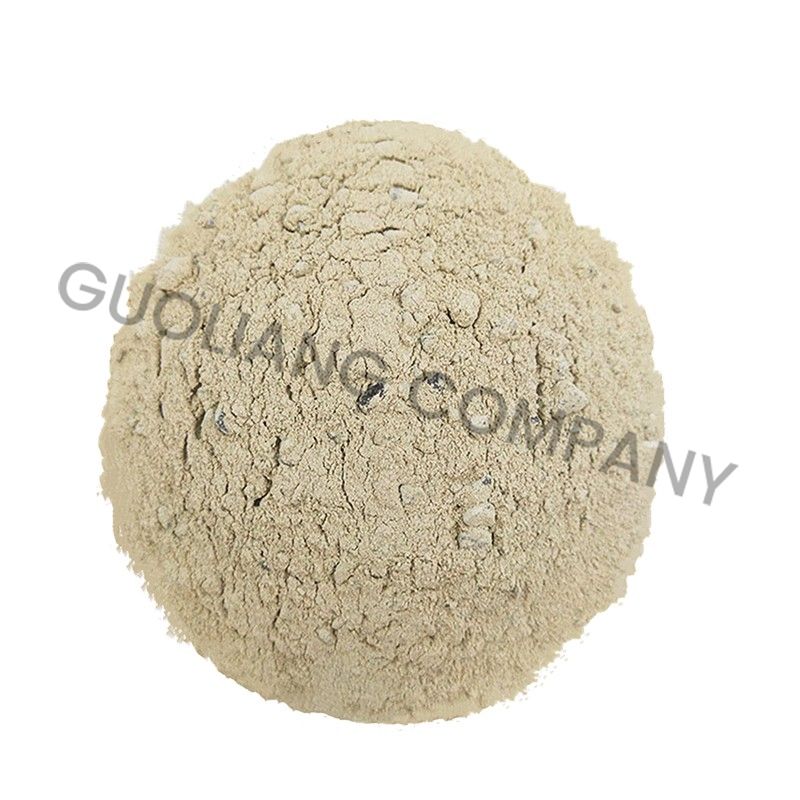
Dry Mix is an important component of the working lining of the tundish, which has the advantage of convenient construction, short baking time and long service life.
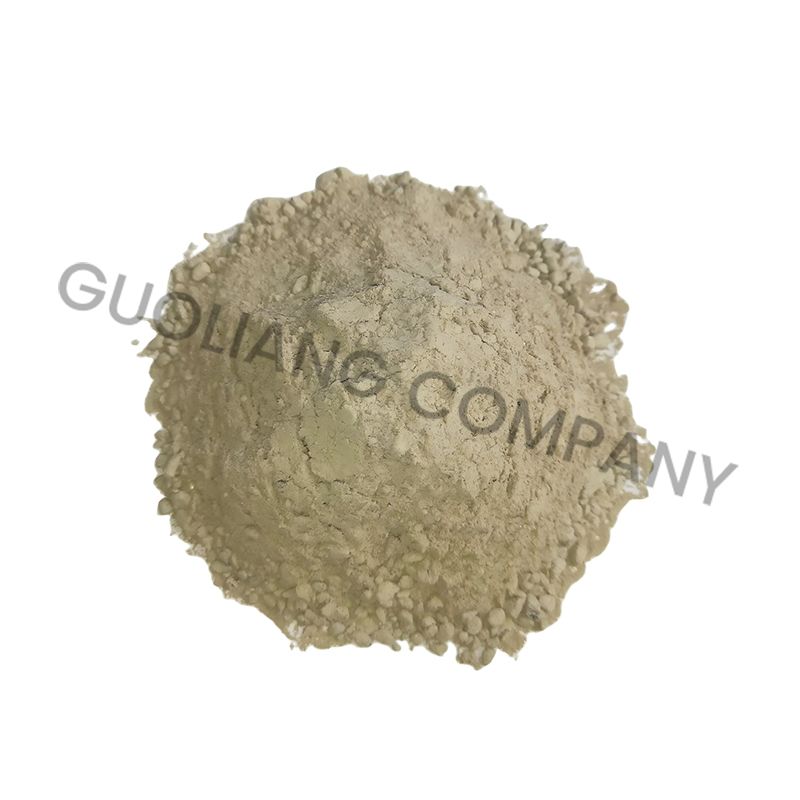
Coating Mix is an important lining material for the tundish, which comes into direct contact with high-temperature molten steel and slag. It is required to have good corrosion resistance, sintering resistance and ease of construction, while not polluting the molten steel.
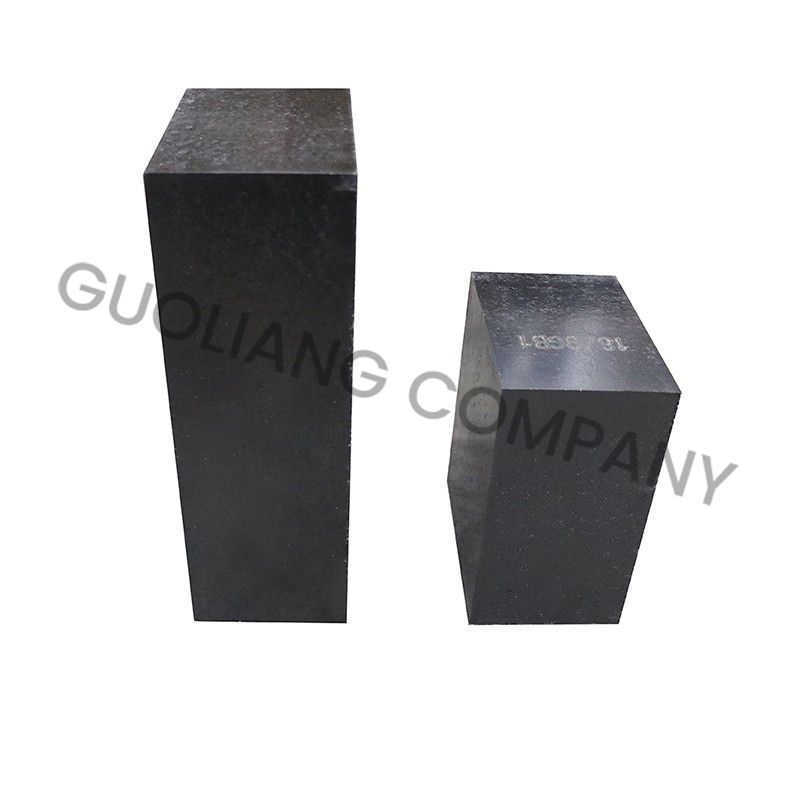
It is made of fused corundum(or sintered corundum, special grade bauxite hamotte), graphite and silicon carbide as main raw materials.
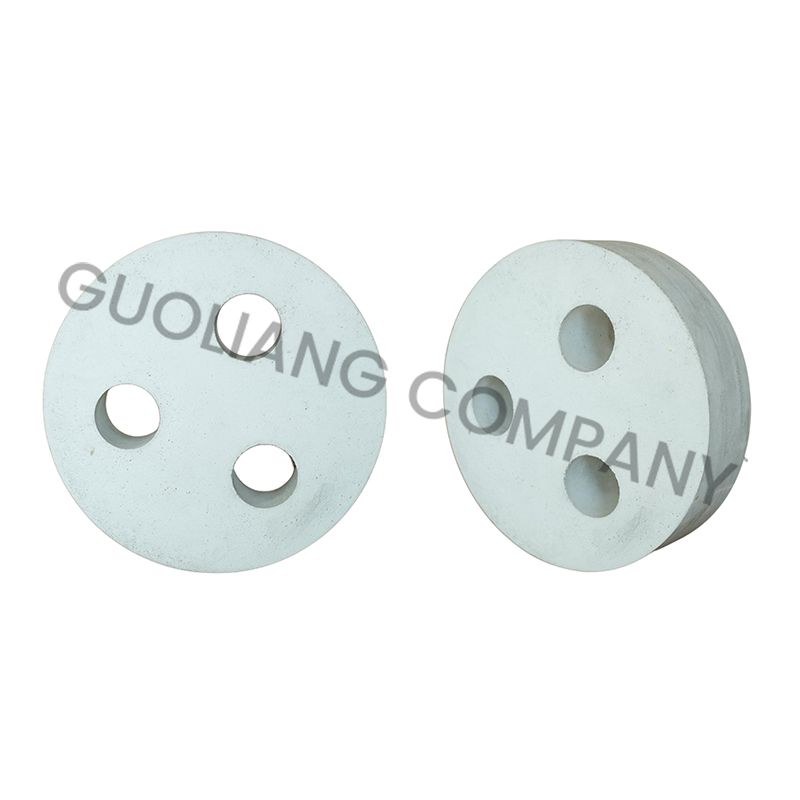
It has the advantages of convenient construction, good overall integrity, strong resistance to arc radiation, and resistance to rapid cooling and heating.
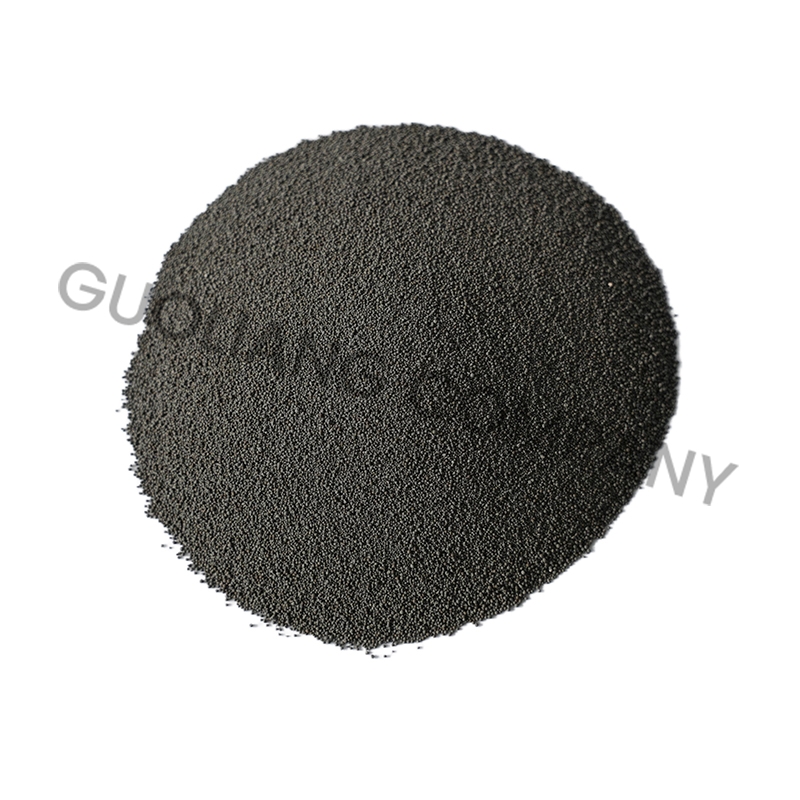
Covering powder is mainly used to cover the molten steel surface of ladle and tundish in the process of continuous casting. The function is to avoid excessive temperature drop of molten steel during transportation and casting, and cold steel on molten steel surface.
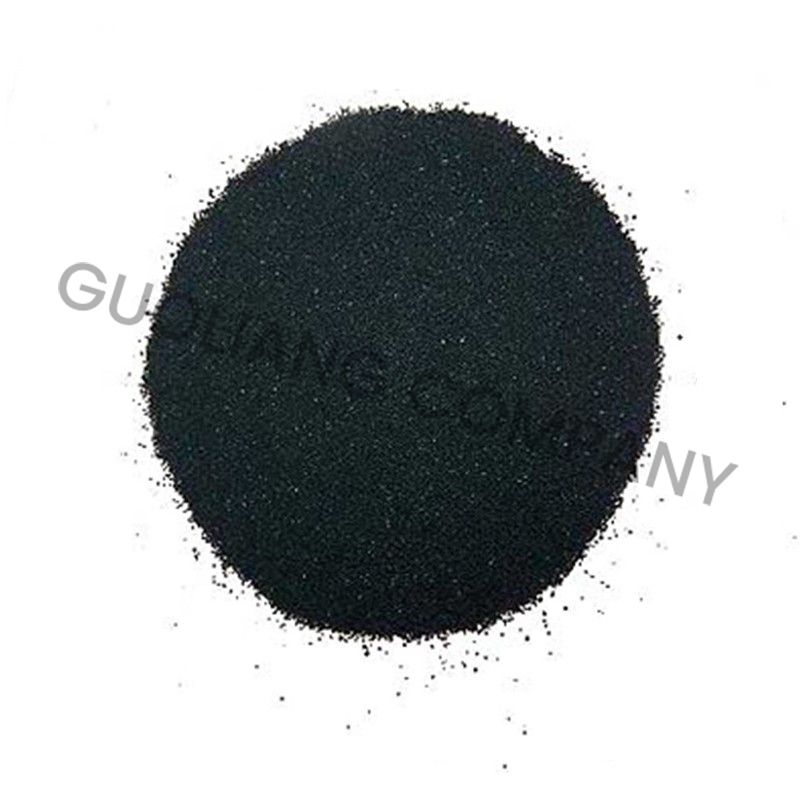
Mold powder is a synthetic slag that covers the molten steel surface in the mould during the casting process, stabilizes the casting operation and improves the surface quality of the slab.
If you are interested in any of our products or would like to make your customized order, please feel free to contact us. We are looking forward to establish successful business relations with you.
Get A Free Quote


