


Steel ladles operate under severe thermal, chemical and mechanical conditions. The refractory lining must withstand molten steel, aggressive slag, repeated heating and cooling, and continuous erosion during refining and casting.
For this reason, selecting the right ladle bricks is critical to maintaining lining stability, reducing refractory consumption and supporting safe steelmaking operations.
Different areas of the ladle experience different wear mechanisms, so the complete lining normally uses several types of ladle refractory bricks rather than one material throughout the vessel.
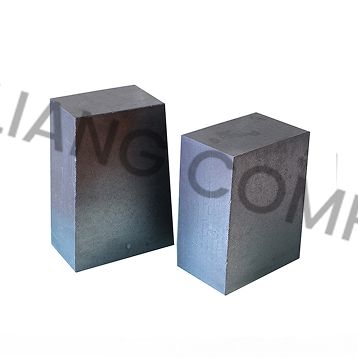
Ladle bricks are shaped refractory products used to construct the working and safety lining of steel ladles.
Their main functions are to:
● Protect the steel shell from molten steel and slag
● Resist chemical corrosion and penetration
● Withstand thermal shock during repeated heats
● Reduce erosion caused by molten steel movement
● Maintain stable ladle lining geometry
● Extend ladle campaign life
Depending on the steelmaking process and lining zone, common refractory bricks for ladle applications include magnesia carbon bricks, high alumina bricks and other engineered refractory materials.
A steel ladle does not experience the same wear conditions in every area. Refractory selection should therefore be based on the operating environment of each zone.
The slag line is usually one of the most demanding areas of a steel ladle because it is exposed to aggressive refining slag, high temperatures and repeated chemical attack.
Ladle slag line bricks therefore require strong resistance to:
● Slag corrosion
● Chemical penetration
● Oxidation
● Thermal cycling
● Structural spalling
Magnesia carbon ladle bricks are widely used in this zone because of their strong resistance to basic slag and high-temperature erosion.
The side wall is mainly exposed to molten steel erosion, thermal cycling and slag penetration.
Suitable ladle lining bricks should provide a balance of corrosion resistance, structural strength and thermal shock resistance.
Material selection depends on steel grade, refining process and required lining life.
The bottom and impact areas experience significant mechanical and hydraulic wear when molten steel enters the ladle.
Refractories in these areas should provide:
● High mechanical strength
● Strong erosion resistance
● Good thermal shock resistance
● Stable dimensional performance
The lining design may therefore use reinforced steel ladle bricks or specialized refractory products in high-wear areas.
Magnesia carbon ladle bricks are among the most common refractory materials used in modern steel ladles, especially in slag lines and other severe wear zones.
They combine magnesia-based raw materials with carbon-containing components to provide resistance to slag attack and thermal shock.
Typical advantages include:
● Good resistance to basic slag corrosion
● Strong resistance to thermal spalling
● Low slag penetration
● Good high-temperature stability
● Suitable for demanding refining conditions
Their performance can vary significantly depending on raw material quality, carbon content, antioxidant system and manufacturing process.
For this reason, steel plants should evaluate the actual operating conditions before selecting a specific grade.
High alumina ladle bricks are another important option for ladle lining applications.
They can be used in selected working lining, backup lining or less aggressive zones depending on the ladle design and operating conditions.
Typical characteristics include:
● Good refractoriness
● Strong mechanical strength
● Stable performance at high temperatures
● Good resistance to thermal cycling
However, material suitability depends strongly on slag chemistry and refining conditions.
High alumina materials should not automatically be selected for every ladle zone. The refractory system should be designed according to actual steelmaking conditions.
The ladle lining generally includes different functional layers.
| Lining Area | Main Function | Typical Requirement |
|---|---|---|
| Working Lining | Direct contact with molten steel and slag | Corrosion and erosion resistance |
| Safety Lining | Secondary protection | Structural stability |
| Permanent Lining | Protects the steel shell | Thermal insulation and long-term support |
Ladle working lining bricks require the highest resistance to molten steel, slag and thermal cycling because they directly contact the steelmaking environment.
The permanent lining normally experiences less chemical attack but still needs sufficient mechanical and thermal stability.
The service life of steelmaking ladle refractory bricks is influenced by several operating factors.
Slag chemistry has a major influence on refractory wear.
Changes in basicity, FeO content and refining practice can significantly change the corrosion behavior of the lining.
Strong steel flow can gradually remove refractory material from the working surface, particularly near the bottom and impact zones.
Repeated heating and cooling can create thermal stress inside the brick, eventually causing cracking or spalling.
Carbon-containing refractories may lose performance if excessive oxidation occurs during service or preheating.
Poor joint control, uneven brickwork or incorrect installation can create weak areas and accelerate local lining failure.
Choosing the correct ladle refractory bricks requires more than comparing chemical composition.
Steel plants should provide the refractory supplier with actual operating information, including:
● Ladle capacity
● Steel grade
● Refining process
● Operating temperature
● Slag composition
● Stirring intensity
● Average holding time
● Current lining life
● Main wear zones
● Existing refractory material
This allows the supplier to recommend different materials for different lining zones.
For example, corrosion resistant ladle bricks may be prioritized at the slag line, while stronger erosion-resistant materials may be required in the bottom impact area.
When evaluating a refractory manufacturer or supplier, purchasing teams should consider both product quality and manufacturing consistency.
Important factors include:
| Evaluation Factor | What to Check |
|---|---|
| Raw Materials | Purity and consistency |
| Chemical Composition | Suitability for the application |
| Bulk Density | Structural compactness |
| Apparent Porosity | Resistance to penetration |
| Mechanical Strength | Resistance to handling and service stress |
| Thermal Shock Resistance | Stability during repeated heating cycles |
| Dimensional Accuracy | Installation and joint consistency |
| Batch Consistency | Stable performance between deliveries |
A low unit price does not necessarily mean lower operating cost.
If a refractory product wears faster or causes more frequent repairs, the actual cost per heat may be higher.
One of the most important principles in ladle refractory design is that different areas require different materials.
A typical lining concept may use:
Slag Line → Magnesia Carbon Ladle Bricks
Side Wall → Suitable Ladle Working Lining Bricks
Bottom → High-Strength Erosion-Resistant Bricks
Backup Layer → High Alumina Ladle Bricks or Other Suitable Refractories
The exact configuration should always be matched to the steel plant's process conditions.
The performance of ladle bricks directly affects lining stability, refractory consumption and steel ladle maintenance.
A reliable ladle lining should not rely on a single refractory material. Instead, ladle lining bricks, ladle slag line bricks, magnesia carbon ladle bricks, high alumina ladle bricks and other specialized materials should be selected according to the wear conditions of each ladle zone.
For steel plants, the best refractory solution is one that balances corrosion resistance, thermal shock resistance, erosion resistance, installation quality and total operating cost.
Guoliang provides steel ladle refractory bricks and related refractory materials for steelmaking applications. Customers can provide ladle dimensions, operating temperature, slag conditions, steel grade and current lining performance for more suitable material selection.
READY TO START A PROJECT?
If you are interested in any of our products or would like to make your customized order, please feel free to contact us.
Featured Articles
If you are interested in any of our products or would like to make your customized order, please feel free to contact us. We are looking forward to establish successful business relations with you.
Get A Free Quote

