


Choosing between refractory brick and refractory castable is a common decision when designing, relining or repairing an industrial furnace.
Both materials can provide high-temperature protection, but they differ significantly in installation method, lining structure, maintenance requirements and suitability for different furnace zones.
The right choice depends on operating temperature, slag or chemical attack, thermal cycling, mechanical wear, furnace geometry and planned maintenance practices.
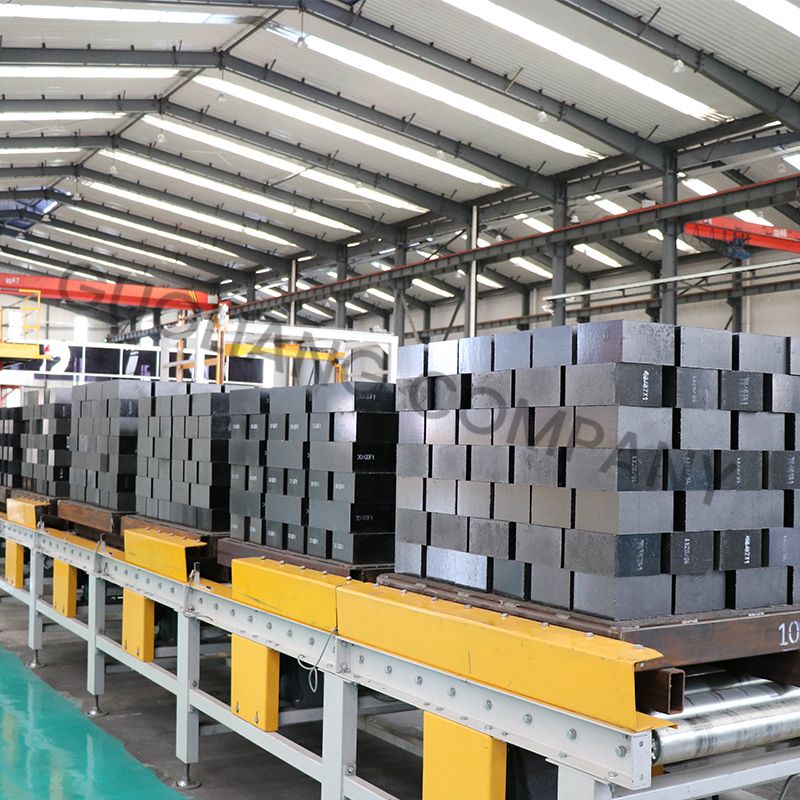
Refractory bricks are preformed and fired or chemically bonded refractory shapes manufactured to specific dimensions.
Common types include:
● High alumina bricks
● Magnesia bricks
● Magnesia carbon bricks
● Fireclay bricks
● Insulating refractory bricks
● Other application-specific shaped refractories
Because refractory bricks are manufactured under controlled conditions before installation, their dimensions and physical properties can be closely controlled.
In steelmaking, shaped refractory products are commonly used in equipment such as steel ladles, converters, electric arc furnaces and other high-temperature vessels.
A refractory castable is an unshaped or monolithic refractory material typically supplied as a dry mixture of refractory aggregates, fine powders, binders and additives.
It is mixed and installed on site by methods such as:
● Casting
● Vibration casting
● Pumping
● Gunning or shotcreting, depending on formulation
Castables are particularly useful where furnace geometry is complex or where forming a continuous lining is desirable. Commercial refractory systems demonstrate that castables can be poured, pumped, vibration-cast or gunned depending on their formulation and application.
| Factor | Refractory Brick | Refractory Castable |
|---|---|---|
| Form | Preformed shapes | Monolithic dry mix installed on site |
| Installation | Bricklaying with controlled joints | Casting, pumping or gunning |
| Furnace Geometry | Best for regular shapes and designed brick patterns | Suitable for complex and irregular areas |
| Joints | Contains brick joints | Can form a more continuous lining |
| Installation Skill | Requires experienced bricklayers | Requires controlled mixing and installation |
| Drying Requirement | Generally less demanding after installation | Requires proper curing and controlled dry-out |
| Local Repair | Individual bricks can often be replaced | Damaged areas can be patched or recast |
| Custom Shapes | Special bricks may require molds | Can adapt more easily to complex geometry |
| Quality Control | Properties largely established during manufacturing | Final performance also depends heavily on site installation |
| Typical Use | Working linings, walls, slag zones, high-wear areas | Furnace roofs, irregular areas, repairs, monolithic linings |
Neither material is automatically better. The correct choice depends on the operating zone and maintenance strategy.
Refractory bricks are often preferred in areas where the lining is exposed to severe slag corrosion, molten metal erosion or mechanical wear.
In steel ladles, for example, magnesia carbon bricks are commonly selected for demanding working lining and slag-line conditions.
Bricks are manufactured to specific dimensions before delivery.
This makes them suitable for furnace designs that require:
● Controlled lining thickness
● Specific brick patterns
● Defined expansion joints
● Accurate installation around working zones
For some furnace designs, damaged bricks can be removed and replaced without completely rebuilding a larger monolithic section.
This can be useful where wear is concentrated in predictable areas.
Properly selected refractory bricks can provide strong resistance to aggressive slags and molten metal.
However, material chemistry must still match the process. A brick suitable for one furnace zone may not be appropriate for another.
Castables are useful around irregular shapes, openings, burner blocks, roofs and other areas where laying standard bricks would be difficult.
Industrial castables are widely used where access is limited or furnace geometry contains obstructions.
Unlike brick linings, castables can create larger continuous refractory sections.
This reduces the number of brick joints that may otherwise become potential weak points under thermal cycling or penetration.
Castables and related monolithic materials are widely used for maintenance because damaged areas can often be patched, cast or gunned.
Different formulations can be selected according to abrasion, erosion, thermal shock or chemical conditions.
For some furnace roofs, walls and complex structures, installing a castable lining can be more practical than producing many special-shaped bricks.
One of the biggest differences between refractory brick vs castable is how much the final lining depends on site installation.
Brick lining performance depends on:
● Correct brick pattern
● Joint thickness
● Refractory mortar selection
● Expansion allowance
● Installation accuracy
Poor bricklaying can create gaps, uneven stress distribution or local weak areas.
Castable performance depends strongly on:
● Correct water addition
● Mixing time
● Vibration or placement method
● Anchor design where required
● Curing conditions
● Dry-out schedule
Incorrect water content or drying can significantly affect the final lining. Refractory manufacturers therefore specify controlled mixing and installation requirements for castables.
In practice, many furnaces use both bricks and castables rather than choosing only one material.
For example:
| Furnace Area | Common Selection Approach |
|---|---|
| High-Wear Working Lining | Refractory Brick |
| Slag Line | Corrosion-Resistant Brick |
| Complex Corners | Castable |
| Furnace Roof | Castable / Precast Shapes |
| Burner Area | Castable or Precast Block |
| Local Repair | Castable / Patching Material |
| Regular Furnace Wall | Brick or Castable |
| Backup / Insulation Layer | Brick or Insulating Castable |
This mixed approach is common because different furnace zones experience different temperatures, mechanical loads and corrosion mechanisms. Refractory suppliers commonly specify different brick and castable products for different sections of the same furnace.
There is no universal answer.
Refractory service life depends more on material selection and operating conditions than on whether the lining is brick or castable.
Important factors include:
● Operating temperature
● Slag chemistry
● Furnace atmosphere
● Thermal cycling frequency
● Mechanical abrasion
● Molten metal erosion
● Installation quality
● Heating and cooling practices
A correctly selected castable can outperform an unsuitable brick, while a properly engineered brick lining may significantly outlast a castable used in the wrong environment.
Therefore, comparing materials based only on nominal temperature resistance is not enough.
Purchase price alone should not determine the choice.
Buyers should consider the complete lining cost:
Material Cost + Installation Cost + Dry-Out Time + Maintenance + Service Life + Production Downtime
For example, bricks may involve more individual installation work, while castables require careful mixing, curing and dry-out.
A refractory material with a lower initial price may ultimately cost more if it requires frequent repair or shortens the furnace campaign.
Before deciding between refractory brick and castable, provide your refractory supplier with:
● Furnace type
● Furnace dimensions
● Operating temperature
● Process material
● Slag or chemical composition
● Furnace atmosphere
● Current refractory lining
● Main wear area
● Existing lining life
● Maintenance schedule
● Target service life
These conditions allow the refractory manufacturer to recommend materials according to actual wear mechanisms rather than simply suggesting the highest-grade product.
Yes.
In many industrial furnaces, the best refractory lining is a combination of shaped and unshaped materials.
For example:
Brick → high-wear working zones
Castable → irregular structures and large monolithic areas
Precast refractory blocks → complex components requiring factory-controlled forming
Repair materials → localized maintenance
Guoliang also uses both shaped and monolithic refractory concepts across metallurgical applications; its current furnace-related portfolio includes refractory bricks, castable-based solutions and precast refractory components for BOF, EAF, steel ladle and tundish systems.
Choose refractory brick when:
● The lining geometry is regular
● Severe slag or metal attack requires specialized bricks
● Precise lining construction is important
● Individual refractory zones need different brick grades
● Local brick replacement is part of the maintenance strategy
Choose refractory castable when:
● Furnace geometry is complex
● A monolithic lining is preferred
● Access makes brick installation difficult
● Large irregular areas must be lined
● Casting, pumping or gunning offers installation advantages
In many furnaces, however, the best answer is not brick vs castable—it is using the right refractory material in each furnace zone.
The choice between refractory brick vs castable should be based on furnace design, operating conditions, wear mechanisms and maintenance requirements.
Refractory bricks offer controlled dimensions and strong performance in many high-wear working zones, while refractory castables provide flexibility for monolithic linings, complex geometries and repair applications.
For steelmaking and other high-temperature equipment, a zone-specific refractory design that combines bricks, castables and other refractory components can often provide better overall performance than relying on a single material.
As a professional Refractory Manufacturer & Supplier with 30 years of industry experience, Guoliang can recommend refractory materials according to your furnace type, operating temperature, slag conditions, wear areas and expected lining life.
READY TO START A PROJECT?
If you are interested in any of our products or would like to make your customized order, please feel free to contact us.
Featured Articles
RELATED PRODUCTS
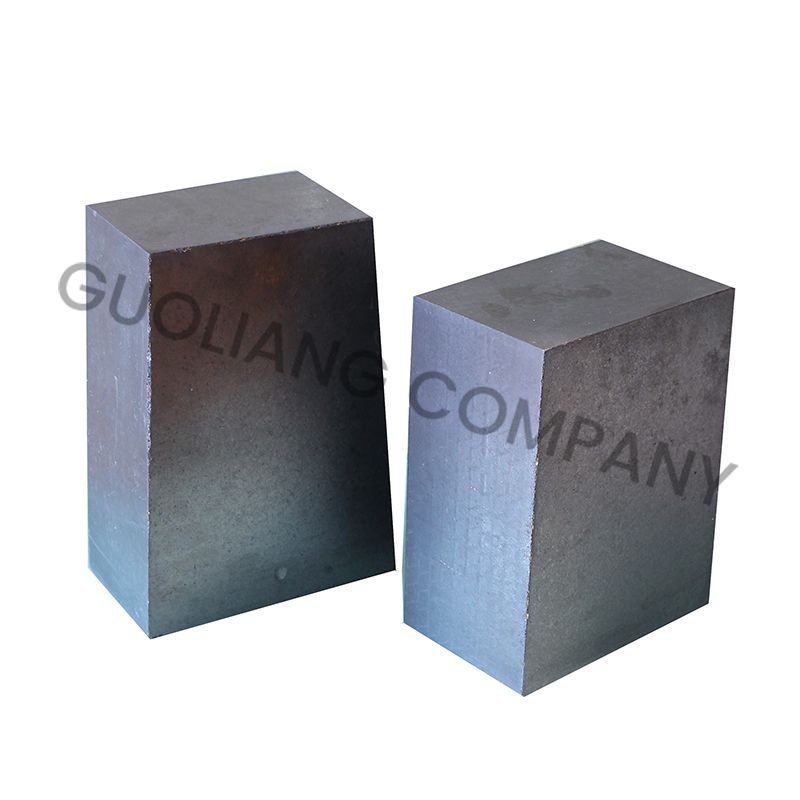
Magnesia carbon brick is produced by high pressure molding process, using high purity, high density fused magnesia or large crystal magnesia and high purity graphite as raw materials.
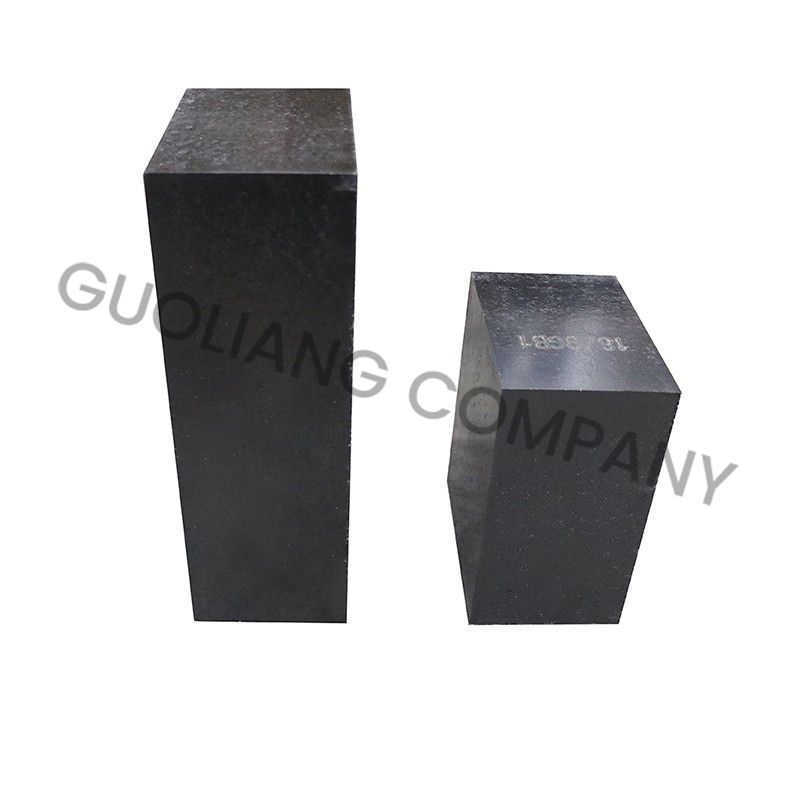
It is made of fused corundum(or sintered corundum, special grade bauxite hamotte), graphite and silicon carbide as main raw materials.
If you are interested in any of our products or would like to make your customized order, please feel free to contact us. We are looking forward to establish successful business relations with you.
Get A Free Quote

